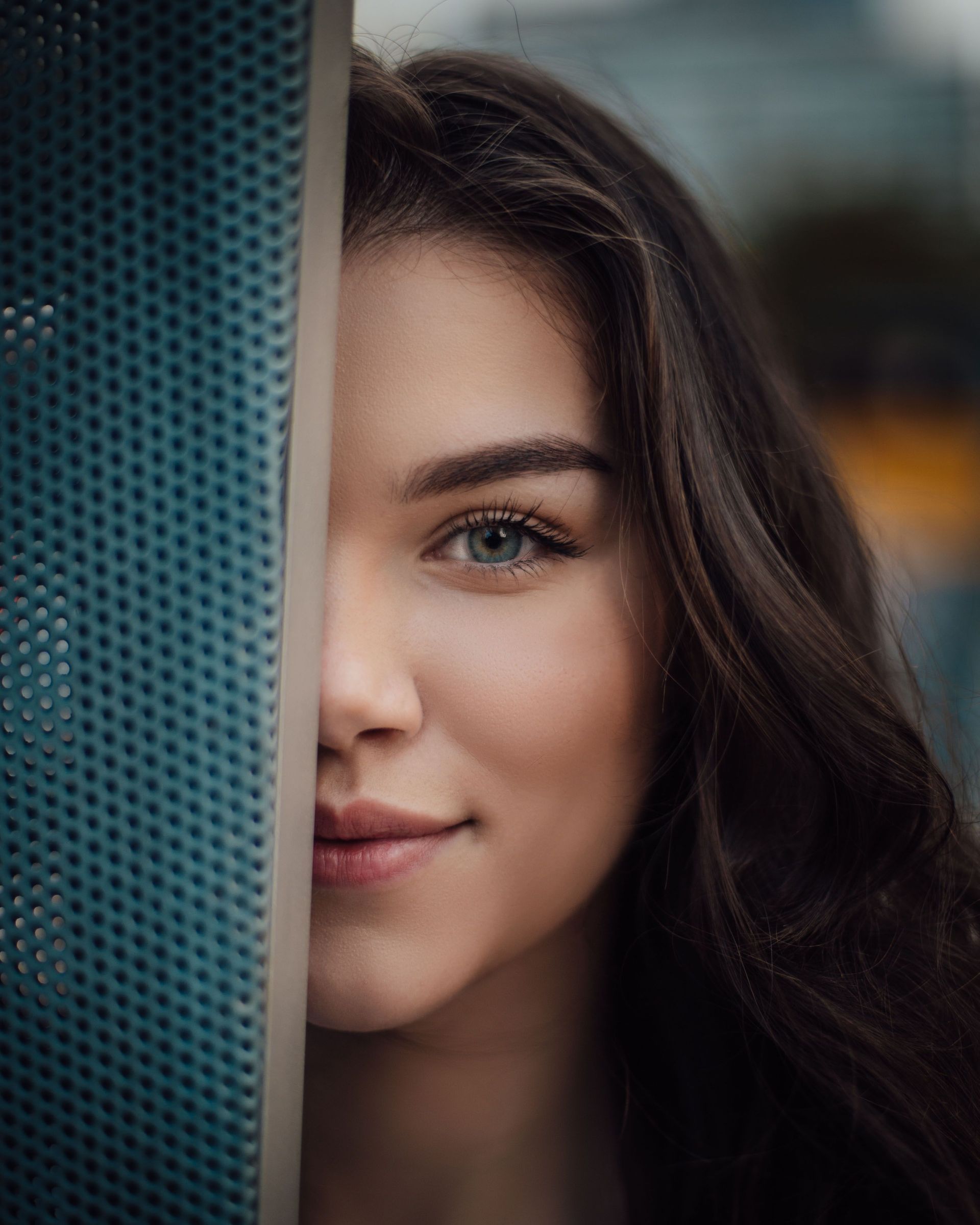
Uneven Double Eyelid Correction Korea
Uneven double eyelids—where one crease is higher, deeper, thicker, or differently shaped than the other—are one of the most common reasons patients seek revision eyelid surgery. Korea specializes in precise symmetry correction, offering both non-incisional and incisional solutions depending on the cause of the asymmetry.
Uneven creases can occur naturally or after previous double eyelid surgery. Either way, Korean eyelid surgeons focus on restoring balance, symmetry, and natural-looking results.
Why Double Eyelids Become Uneven
Uneven creases may develop due to:
1. Loose or Weak Adhesion
The skin–muscle connection is not equally strong on both sides.
2. Different Levator Muscle Strength
One eyelid lifts more strongly than the other, creating different crease heights.
3. Asymmetrical Swelling After Surgery
Temporary swelling can cause one crease to fade or shift.
4. Thick vs Thin Eyelid Differences
One eyelid may have more fat or skin thickness.
5. Incorrect Crease Height Design
Overly high or mismatched crease lines can lead to asymmetry.
6. Suture Failure (Non-Incisional Cases)
Sutures may loosen, migrate, or break on one side.
Understanding the cause helps determine the most effective correction method.
Treatment Options for Uneven Double Eyelid Correction
1. Suture Revision (Non-Incisional)
Best for:
- Minor asymmetry
- Faded or shallow crease on one side
- Thin eyelids without excess fat
- Previous suture method surgery
How it works:
New sutures reinforce or redefine the weaker or lower crease to match the other eye.
Fast recovery and minimal scarring.
2. Incisional Revision
Best for:
- Large height differences
- Thick or fatty eyelids
- Previous incisional surgery with scar tissue
- Multiple folds or irregular creases
- Unstable or collapsing creases
How it works:
A small incision allows the surgeon to remove fat, reshape tissue, and securely re-fix the crease at the correct height.
This method provides the most precise and long-lasting symmetry.
3. Ptosis Correction (If One Eye Opens Less)
If one eyelid opens less due to weak levator muscle function, ptosis correction is required.
Signs include:
- One eye looks smaller or sleepier
- One crease sits lower despite correct height design
- Forehead lifting on one side
Ptosis correction helps both eyelids open equally, stabilizing the crease.
4. Partial-Incision Revision
Best for:
- Moderate asymmetry
- Need for fat removal in only one eyelid
- Desire for faster recovery
This method blends the control of incision with the lighter recovery of sutures.
How Korean Surgeons Correct Uneven Eyelids
Korean clinics emphasize:
- Precise measurement of both eyelids
- Adjusting crease height to the millimeter
- Balancing levator muscle strength
- Customizing crease shape (parallel, tapered, mixed)
- Managing fat distribution for symmetry
- Preventing future re-loosening of the crease
This detailed approach helps achieve natural, left-right balance without looking “over-corrected.”
Who Is a Good Candidate?
You may benefit from uneven eyelid correction if you have:
- One crease higher than the other
- One deeper or thicker crease
- Double eyelid on one side, monolid on the other
- A crease that disappeared on one side
- Triple or multiple folds
- Asymmetry after previous eyelid surgery
- Sleepy eyes causing one fold to collapse
Recovery After Correction
- 1–3 days: swelling and tenderness
- 1 week: stitches removed for incisional methods
- 2–4 weeks: symmetry becomes more natural
- 2–3 months: crease stabilizes
- 6 months: final refined symmetry
Revision cases usually take slightly longer to settle than primary surgery.
Benefits of Uneven Double Eyelid Correction
- Balanced and symmetrical eyes
- Stable and long-lasting results
- Natural-looking crease height and depth
- Improved eyelid function (if ptosis was corrected)
- Correction of loose or fading folds
- More harmonized facial appearance