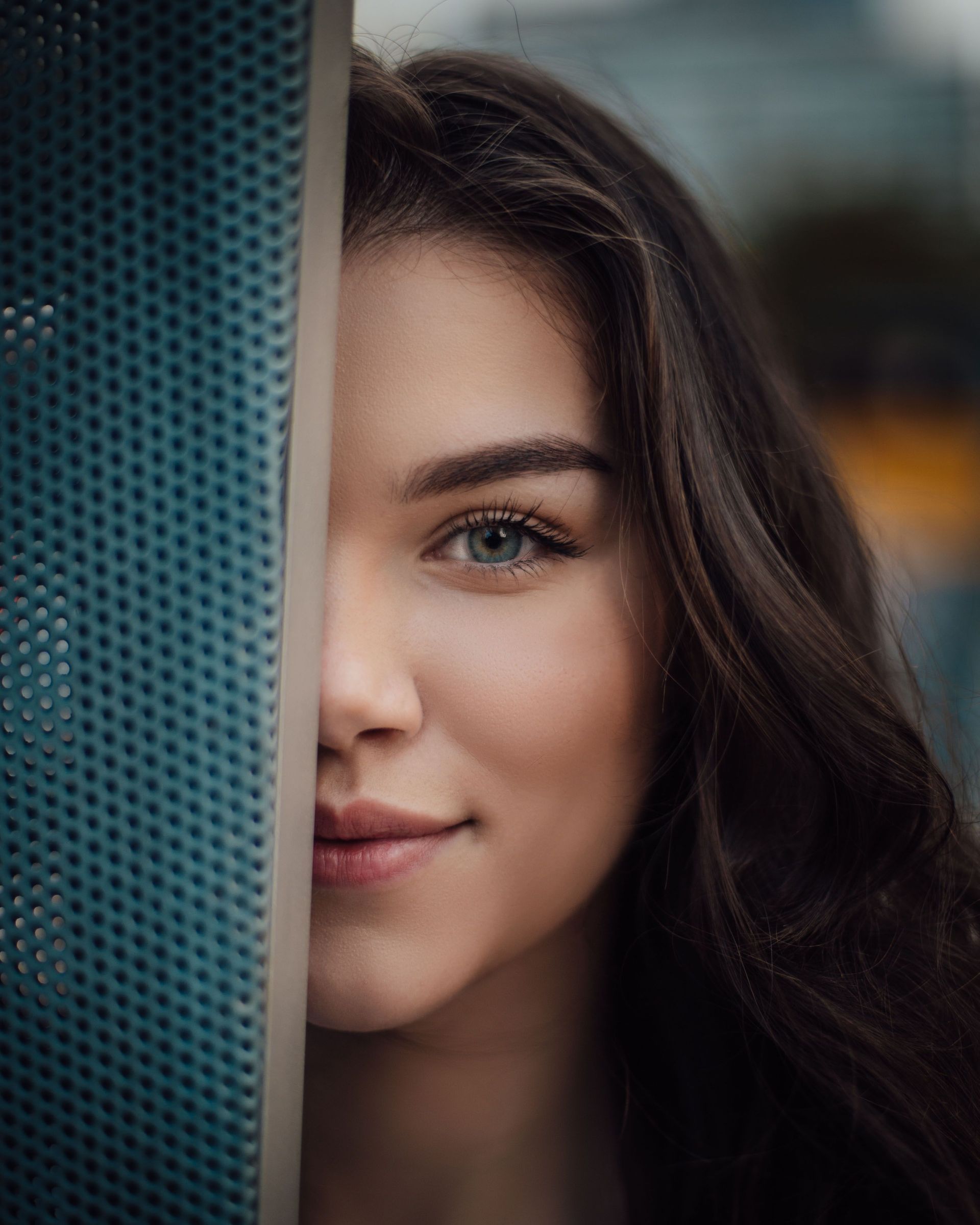
Upper Eyelid Hood Correction Korea
Upper eyelid hooding—where excess skin, fat, or muscle droops over the upper eyelid—can make the eyes look tired, heavy, and smaller than they are. In Korea, upper eyelid hood correction is a highly refined procedure designed to remove or reposition excess tissue, reveal the natural eyelid platform, and create a more open, refreshed eye shape.
This procedure can be purely cosmetic or functional, improving vision in cases where hooding obstructs the upper field of view.
What Is Upper Eyelid Hooding?
Upper eyelid hooding occurs when:
- Skin becomes loose and folds over the lash line
- Fat bulges weigh down the eyelid
- The eyelid crease is hidden or asymmetrical
- The brow descends due to aging
- Eyelid heaviness causes a “sleepy” or older appearance
Hooding can affect one or both eyes and may worsen with age.
What Is Upper Eyelid Hood Correction?
Upper eyelid hood correction removes or adjusts the excess skin, fat, and muscle causing hooding. The goal is to:
- Open the eyes
- Create a clean eyelid fold
- Reduce heaviness
- Restore symmetry
- Rejuvenate the upper face
If necessary, the procedure may be combined with ptosis correction (for weak eyelid muscles) or brow lift techniques (if the sagging originates from the forehead).
Common Techniques Used in Korea
1. Upper Blepharoplasty (Incisional Hood Lift)
Removes excess skin and fat to create a natural double eyelid and a smoother upper lid contour.
Best for:
- Moderate to severe hooding
- Thick or heavy eyelids
- Age-related skin laxity
2. Fat Repositioning or Fat Removal
Adjusting or removing fat helps lighten the eyelids and prevents recurrence of the fold.
Used when:
- Fat pads contribute to heaviness
- The crease collapses due to weight
3. Ptosis Correction
If hooding is caused by weak levator muscles, tightening the eyelid muscle lifts the eyelid and stabilizes the crease.
Signs you may need ptosis correction:
- Eyes look sleepy or half-open
- One eye opens less than the other
- The crease constantly disappears
4. Brow Lift (When Brow Droop Causes Hooding)
Used when descent of the brow pushes skin onto the eyelids.
Korea commonly uses:
- Minimally invasive brow lift
- Temporal lift
- Endoscopic brow lift
5. Partial-Incision Techniques
For younger patients with minimal hooding, small incisions may be used to remove limited excess skin.
Who Is a Good Candidate?
You may benefit from upper eyelid hood correction if you have:
- Excess skin covering the upper eyelid
- Heavy or droopy eyelid folds
- Eyes that look smaller or older
- Difficulty applying makeup due to hooding
- Asymmetrical eyelid folds
- Limited eyelid platform visibility
- Sleepy-looking eyes from mild ptosis
How the Procedure Works
1. Diagnosis & Eye Design
Surgeons analyze:
- Skin laxity
- Fat volume
- Levator muscle function
- Crease height and symmetry
- Brow position
2. Tissue Removal or Repositioning
Excess skin, fat, and muscle are adjusted.
3. Crease Creation or Reinforcement
If desired, a new crease is designed to look natural.
4. Symmetry Adjustment
Both eyelids are matched for height and contour.
Recovery Timeline
- Day 1–3: swelling and tightness
- 1 week: stitches removed
- 2–4 weeks: hooding significantly reduced
- 2–3 months: eyelids look smoother and brighter
- 6 months: final natural result
Benefits of Upper Eyelid Hood Correction
- Brighter, more youthful eye appearance
- Clearer upper eyelid platform
- Stronger, longer-lasting crease
- Reduced heaviness
- Improved visual field (if functional)
- Better symmetry
- More refreshed, awake expression