Hollow Upper Eyelids After Cosmetic Surgery
Cosmetic eyelid surgery is designed to create a more youthful, refreshed, and attractive appearance. However, some patients experience an unintended result known as hollow upper eyelids after cosmetic surgery. Instead of looking rejuvenated, the eyes may appear sunken, tired, aged, or overly operated.
Hollow upper eyelids are one of the most common reasons patients seek revision eyelid surgery. Fortunately, modern corrective procedures can often restore lost volume and create a softer, more natural appearance.
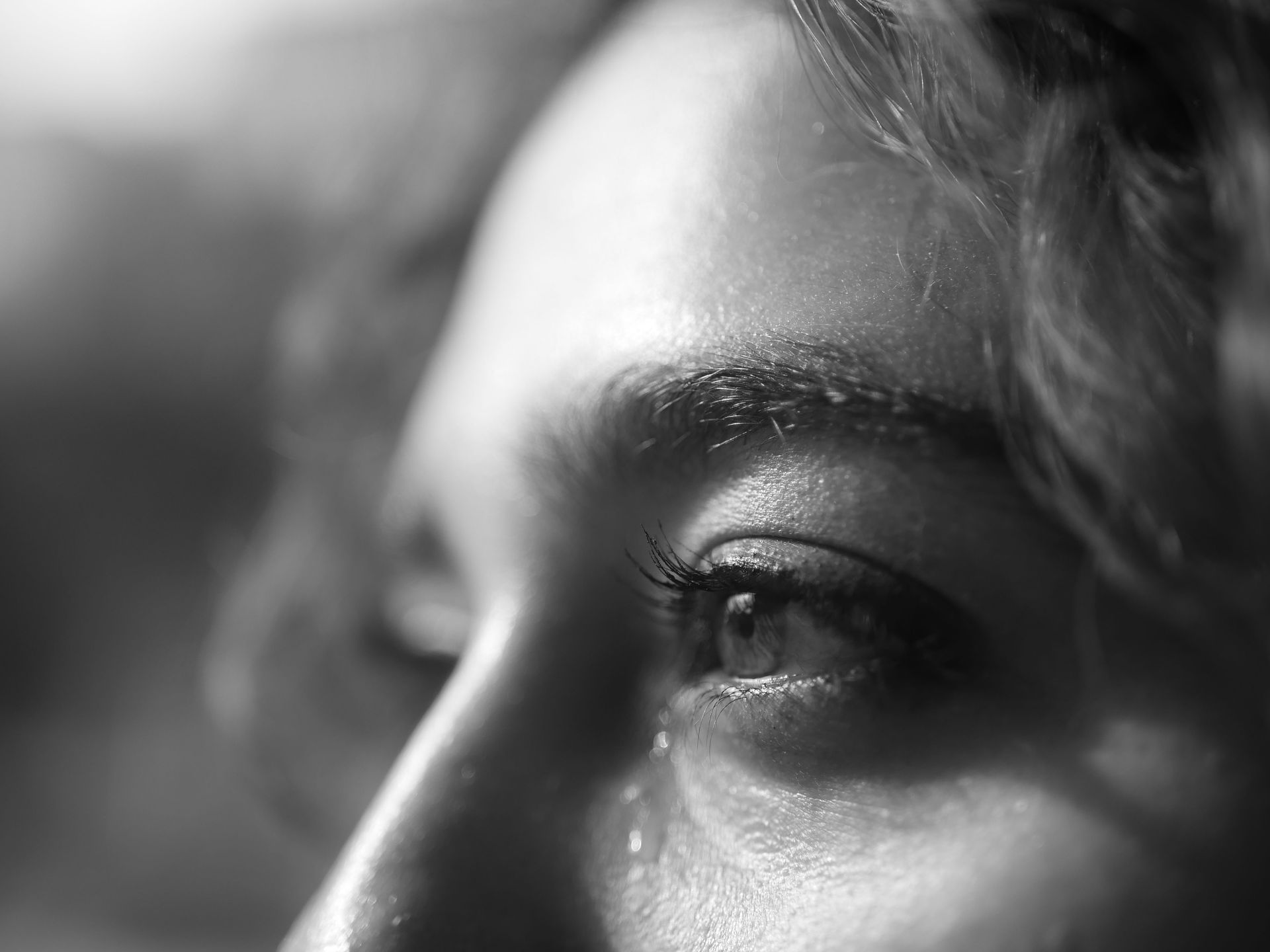
What Are Hollow Upper Eyelids?
Hollow upper eyelids occur when there is insufficient soft tissue volume between the skin and the underlying orbital bone.
Patients often notice:
- A sunken appearance above the eyes
- Deep upper eyelid creases
- Visible orbital bone contours
- Dark shadows around the eyes
- A tired or aged appearance
- Excessively deep double eyelid folds
- Eyes that appear less youthful than before surgery
In severe cases, hollow upper eyelids can create a skeletal appearance that draws attention to the eye sockets rather than the eyes themselves.
Why Do Hollow Upper Eyelids Occur After Cosmetic Surgery?
Excessive Fat Removal
The most common cause of hollow upper eyelids after cosmetic surgery is excessive removal of upper eyelid fat.
In the past, surgeons frequently removed fat to create a slimmer eyelid contour. While this can reduce puffiness, excessive fat removal often produces long-term volume deficiency and premature aging.
Overly Aggressive Upper Blepharoplasty
Removing too much tissue during upper blepharoplasty can leave the eyelid lacking the volume needed for a youthful appearance.
This can make the eyelids appear:
- Hollow
- Deeply creased
- Thin
- Aged
Natural Aging Combined With Surgery
Many patients already have age-related volume loss before surgery.
When surgery further reduces eyelid volume, existing hollowing can become significantly more noticeable.
Scar Tissue Formation
Scar tissue can contract during healing and pull tissues inward, creating additional shadowing and emphasizing hollowness.
Thin Facial Anatomy
Patients with naturally thin facial structures or prominent orbital bones may be more prone to developing hollow upper eyelids after surgery.
Signs of Hollow Upper Eyelids
Common symptoms include:
- Deep hollows above the eyelid crease
- Visible eye socket contours
- Prominent upper eyelid shadows
- A tired appearance
- Excessively deep eyelid folds
- Asymmetry between the eyes
- A more aged appearance than before surgery
Many patients describe feeling that they look older after surgery despite undergoing a procedure intended to make them look younger.
Why Hollow Upper Eyelids Make You Look Older
Youthful eyes are generally associated with smooth transitions between the brow and eyelid.
When volume is lost:
- Bone structure becomes more visible
- Shadows become deeper
- Skin appears thinner
- Facial aging becomes more noticeable
This is one reason why modern eyelid surgery places greater emphasis on preserving volume whenever possible.
Hollow Eyelids and Deep Double Eyelid Creases
Many patients with hollow upper eyelids also develop very deep eyelid folds.
This happens because:
- There is less tissue cushioning the crease
- The fold becomes more prominent
- Shadows increase around the crease
As a result, the eyes may appear more artificial and less natural.
Can Hollow Upper Eyelids Improve Naturally?
Mild hollowness may improve somewhat during recovery as:
- Swelling resolves
- Scar tissue softens
- Tissues settle into position
However, if significant fat volume has been removed, spontaneous improvement is usually limited.
Persistent hollowness generally requires volume restoration procedures.
When Should You Consider Correction?
You may benefit from a revision consultation if:
- Hollowing remains after 6 months
- The eyes appear older than before surgery
- Deep shadows are visible
- Upper eyelid volume loss is significant
- Deep folds create an unnatural appearance
- Facial balance has been affected
An experienced revision surgeon can determine the severity of the problem and recommend the most appropriate treatment.
How Hollow Upper Eyelids Are Corrected
Treatment depends on the cause and degree of volume loss.
Fat Grafting
Fat grafting is one of the most effective solutions for hollow upper eyelids.
The procedure involves:
- Harvesting fat from another area of the body
- Processing and purifying the fat
- Carefully injecting it into the upper eyelid area
Benefits include:
- Natural volume restoration
- Long-lasting results
- Improved skin quality
- Softer eyelid contours
Fat Repositioning
If sufficient fat remains, it may be repositioned to improve upper eyelid fullness without adding additional tissue.
Revision Blepharoplasty
Patients with scar tissue or structural abnormalities may require revision surgery to restore a more natural contour.
Combination Procedures
Many patients achieve optimal results through a combination of:
- Fat grafting
- Scar release
- Crease revision
- Volume restoration
Fat Grafting vs Dermal Fillers
Both fat grafting and fillers can improve hollow upper eyelids.
Fat Grafting
- Uses the patient's own tissue
- Longer-lasting correction
- Natural appearance and feel
- Can improve skin quality
Dermal Fillers
- Non-surgical treatment
- Immediate improvement
- Temporary results
- Suitable for mild cases
Patients with moderate to severe volume loss often benefit more from fat grafting.
Why Patients Travel to Korea for Hollow Eyelid Correction
Korea is widely recognized for advanced revision eyelid surgery and facial fat grafting procedures.
Many international patients visit Seoul for:
- Hollow eyelid correction
- Upper eyelid fat grafting
- Revision blepharoplasty
- Deep fold correction
- Scar revision
- Eyelid reconstruction
Korean surgeons frequently perform volume restoration procedures and have extensive experience correcting complications related to excessive fat removal.
How Long Should You Wait Before Revision Surgery?
Most revision specialists recommend waiting at least 6 months after cosmetic eyelid surgery before pursuing corrective procedures.
This allows:
- Swelling to fully resolve
- Scar tissue to mature
- Eyelid contours to stabilize
- Final surgical results to become visible
Waiting ensures that the treatment plan is based on the true final outcome rather than temporary healing changes.
What Happens During a Revision Consultation?
Your surgeon will evaluate:
- Degree of volume loss
- Remaining eyelid fat
- Skin quality
- Scar tissue
- Crease depth
- Facial proportions
- Overall facial aging
A customized treatment plan is then created to restore a more youthful and natural appearance.
Final Thoughts
Hollow upper eyelids after cosmetic surgery can make patients appear older, more tired, and less natural than intended. The most common cause is excessive fat removal, although aging, scar tissue, and anatomical factors can also contribute.
Fortunately, modern revision techniques such as fat grafting, fat repositioning, and revision blepharoplasty can often restore lost volume and improve overall facial harmony. For patients considering hollow upper eyelid correction in Korea, selecting a surgeon experienced in revision eyelid surgery and volume restoration is essential for achieving natural and long-lasting results.