Round Eye Deformity After Blepharoplasty
Blepharoplasty is one of the most commonly performed cosmetic procedures worldwide, helping patients achieve a more youthful, refreshed, and attractive appearance. However, in some cases, patients develop a complication known as round eye deformity after blepharoplasty.
Instead of maintaining a natural almond-shaped eye contour, the eyes may appear excessively round, overly exposed, or unnatural. This complication can occur after lower blepharoplasty, canthoplasty, canthopexy, or other cosmetic eye surgeries that affect eyelid position and support.
Fortunately, many cases of round eye deformity can be improved through specialized revision eyelid surgery.
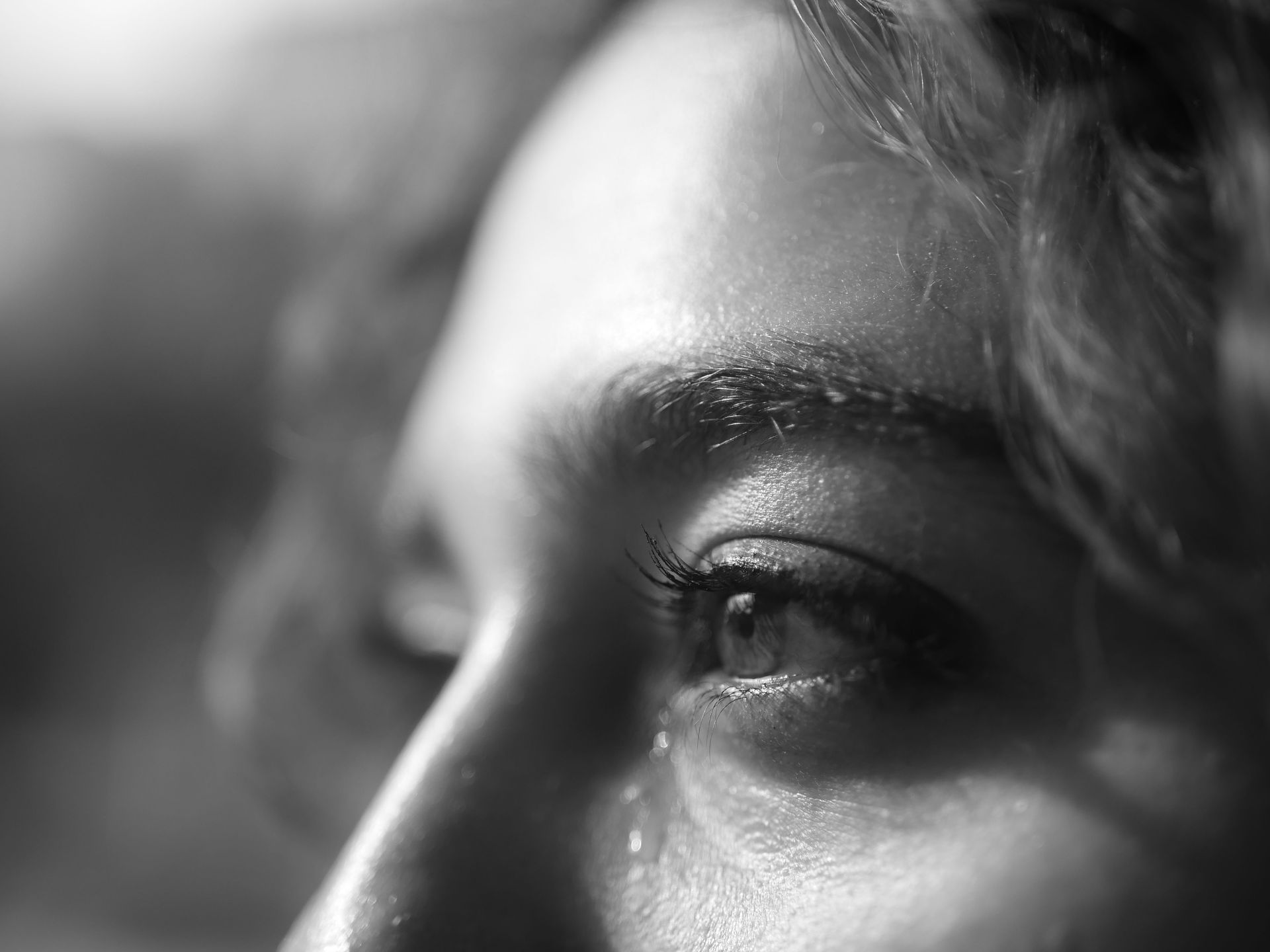
What Is Round Eye Deformity?
Round eye deformity occurs when the natural almond shape of the eye is lost and the eye appears more circular than intended.
Patients often notice:
- Rounder-looking eyes
- Visible white space beneath the iris
- Excessive eye exposure
- A startled appearance
- Larger but less attractive eyes
- Lower eyelid malposition
- An unnatural surgical appearance
The condition can affect one or both eyes and may range from mild to severe.
Why Does Round Eye Deformity Occur?
The lower eyelid plays a crucial role in maintaining eye shape.
When lower eyelid support is weakened or altered, the eyelid may descend, causing the eye to lose its natural contour.
Common causes include:
- Lower eyelid retraction
- Excessive skin removal
- Aggressive lower blepharoplasty
- Canthoplasty complications
- Scar tissue contracture
- Weak lower eyelid support
- Multiple previous eye surgeries
Round Eye Deformity After Lower Blepharoplasty
One of the most common causes is excessive skin removal during lower eyelid surgery.
When too much skin is removed:
- The eyelid becomes tight
- The lower eyelid is pulled downward
- White space beneath the iris becomes visible
- The eye appears more circular
This risk is higher in patients with naturally weak lower eyelid support.
Lower Eyelid Retraction and Round Eyes
Lower eyelid retraction is closely associated with round eye deformity.
As the lower eyelid drops:
- The natural almond shape disappears
- The eye becomes more exposed
- Eye dryness may develop
- Facial balance is affected
Many patients who develop round eyes after surgery also have some degree of lower eyelid retraction.
Canthoplasty Complications
Canthoplasty procedures are designed to reshape the outer corner of the eye.
If the surgery is performed too aggressively or heals improperly, patients may develop:
- Round eyes
- Excessive scleral show
- Outer corner distortion
- Eye shape asymmetry
Revision canthoplasty may be necessary to restore proper eyelid support.
Scar Tissue and Round Eye Deformity
Scar tissue naturally forms during healing.
In some cases, scar contracture pulls the lower eyelid downward and contributes to:
- Eye shape distortion
- Lower eyelid retraction
- Tightness
- Excessive eye exposure
Scar-related problems are particularly common in revision surgery patients.
Signs of Round Eye Deformity
Visible White Space Beneath the Iris
One of the most recognizable signs is scleral show beneath the iris.
Larger-Looking Eyes
Patients often report that their eyes appear larger but less attractive than before surgery.
Unnatural Appearance
The eyes may look obviously surgical rather than naturally youthful.
Asymmetry
One eye may appear rounder than the other, creating facial imbalance.
Eye Exposure Symptoms
Some patients experience:
- Dry eyes
- Burning sensation
- Excessive tearing
- Light sensitivity
- Eye fatigue
Why Round Eyes Can Affect Facial Harmony
The natural almond-shaped eye is often considered aesthetically balanced.
When the eyes become excessively round:
- Eye proportions change
- Facial balance is disrupted
- Surgical changes become more noticeable
- Patients may appear tired, surprised, or unnatural
This is why many patients seek correction even when vision remains unaffected.
Can Round Eye Deformity Improve Naturally?
Mild cases may improve during recovery.
As healing progresses:
- Swelling decreases
- Scar tissue softens
- Eyelid tissues relax
However, significant lower eyelid retraction or structural problems often require revision surgery.
When Should You Consider Revision Surgery?
A consultation may be appropriate if:
- Round eye appearance persists after 6 months
- White space beneath the iris remains visible
- Dry eye symptoms continue
- The eyes look noticeably unnatural
- Eyelid position remains abnormal
An experienced revision surgeon can determine whether additional healing time or surgical correction is necessary.
How Round Eye Deformity Is Corrected
Treatment depends on the underlying cause and severity.
Lower Eyelid Tightening Procedures
Strengthening the lower eyelid can improve support and restore a more natural eye contour.
Canthal Reconstruction
Reconstructing the outer eye corner may improve eye shape and stability.
Scar Tissue Release
Releasing restrictive scar tissue can help restore proper eyelid position.
Spacer Grafts
Severe cases may require spacer grafts to elevate and support the lower eyelid.
Midface Lift Procedures
Supporting the cheek and midface region can reduce downward tension on the lower eyelid.
Fat Grafting
Volume restoration may improve contour irregularities and soften the appearance of previous surgery.
Why Revision Surgery Is More Challenging
Revision procedures are often more complex than primary surgery because surgeons must work around:
- Existing scar tissue
- Altered anatomy
- Previous fixation points
- Tissue deficiencies
Advanced reconstructive expertise is often necessary to achieve optimal results.
Why Patients Choose Korea for Round Eye Correction
Korea is internationally recognized for advanced eyelid surgery and revision procedures.
Many international patients travel to Seoul for:
- Round eye deformity correction
- Lower eyelid reconstruction
- Revision blepharoplasty
- Canthoplasty revision
- Scar revision
- Complex eyelid reconstruction
Korean surgeons frequently treat challenging revision cases and have extensive experience restoring natural eye contours.
How Long Should You Wait Before Revision Surgery?
Most revision specialists recommend waiting at least 6 months after the original surgery.
This allows:
- Swelling to fully resolve
- Scar tissue to mature
- Eyelid position to stabilize
- Final results to become visible
Earlier intervention may be considered if significant eye exposure threatens eye health.
What Happens During a Revision Consultation?
Your surgeon will evaluate:
- Lower eyelid position
- Degree of scleral show
- Eye shape
- Scar tissue
- Eyelid support
- Eye closure function
- Facial balance
A personalized treatment plan is then developed based on your anatomy and surgical history.
Final Thoughts
Round eye deformity after blepharoplasty can occur when the natural support structures of the lower eyelid are weakened or altered. Patients may experience excessive scleral show, lower eyelid retraction, dry eyes, and a loss of the natural almond-shaped eye contour.
Fortunately, modern revision surgery techniques can often restore eyelid support, improve eye shape, and enhance facial harmony. For patients considering round eye correction in Korea, choosing a surgeon experienced in complex revision blepharoplasty and lower eyelid reconstruction is one of the most important factors in achieving a successful outcome