Uneven Double Eyelids After Cosmetic Surgery
Double eyelid surgery is designed to create more defined, balanced, and attractive eyes. While the procedure is highly successful for most patients, uneven double eyelids can occasionally occur after surgery. Eyelid asymmetry is one of the most common reasons patients seek revision eyelid surgery, particularly when the difference remains noticeable after the healing process is complete.
Fortunately, many cases of uneven double eyelids can be improved through revision surgery performed by an experienced eyelid specialist.
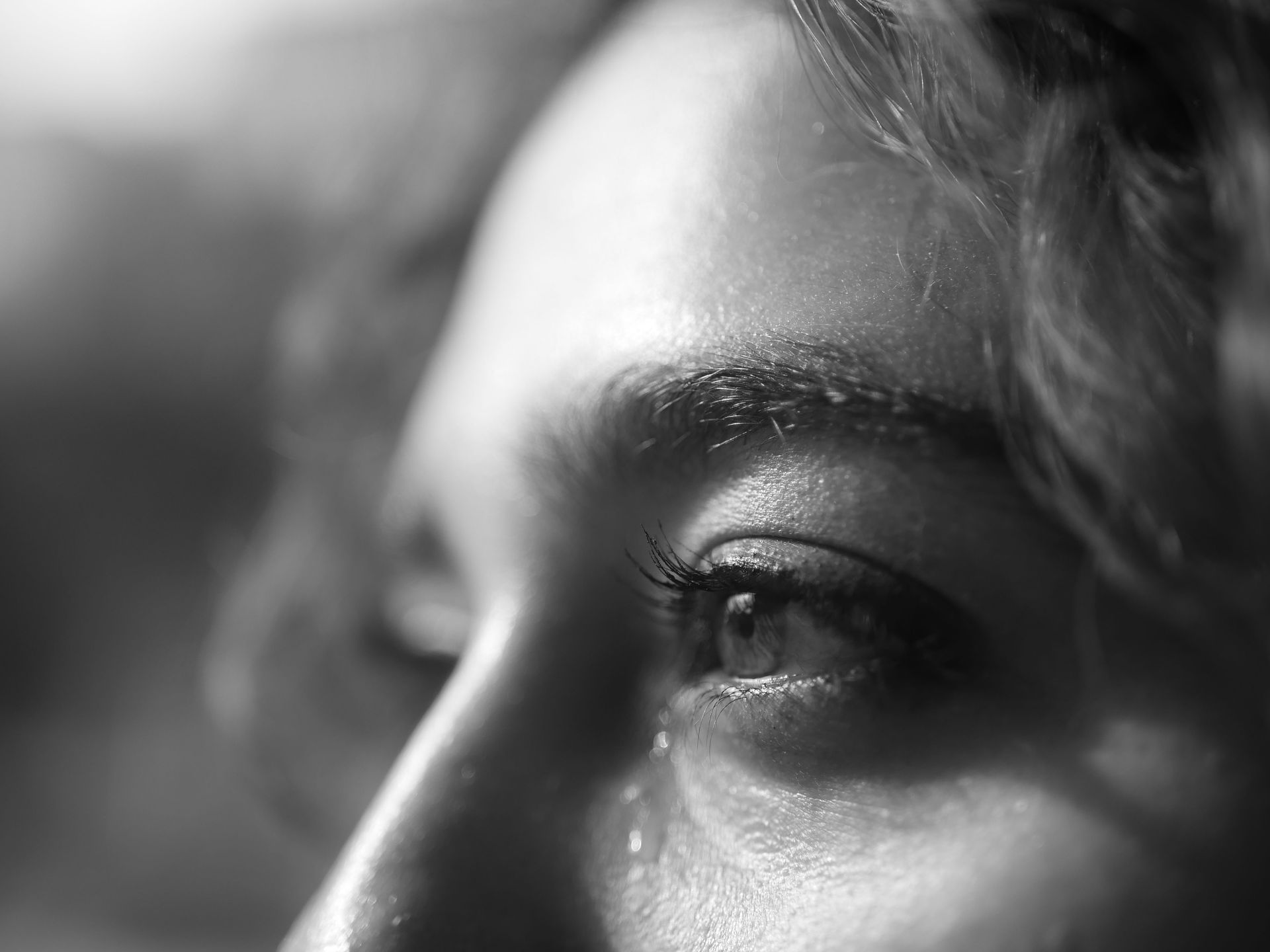
What Are Uneven Double Eyelids?
Uneven double eyelids occur when one eyelid appears different from the other after surgery.
This may involve:
- One crease being higher than the other
- Different crease depths
- One eye appearing larger or more open
- Uneven eyelid shapes
- One fold becoming loose or disappearing
- Different amounts of visible eyelid skin
While no face is perfectly symmetrical, significant eyelid asymmetry can affect overall facial balance and make the surgical result appear unnatural.
Is Some Asymmetry Normal After Surgery?
Yes.
During the early recovery period, it is completely normal for the eyelids to appear uneven.
This happens because:
- Swelling differs between each eye
- Scar tissue develops at different rates
- Healing occurs differently on each side
- Muscle activity may temporarily vary
Many asymmetries improve naturally during the first several months after surgery.
Most surgeons recommend waiting at least 3 to 6 months before evaluating the final result unless functional complications are present.
Common Causes of Uneven Double Eyelids
Differences in Healing
Even when surgery is performed perfectly, each eyelid heals independently.
One side may experience:
- More swelling
- More scar tissue
- Faster healing
- Different tissue contraction
These natural healing variations can temporarily affect eyelid symmetry.
Unequal Crease Design
If the original crease placement was not perfectly balanced, asymmetry may become noticeable once swelling subsides.
Small differences in crease height can create a significant difference in the appearance of the eyes.
Inconsistent Fixation
Double eyelid surgery relies on creating attachments between the skin and deeper structures.
If fixation strength differs between the two sides, one crease may appear deeper, stronger, or more stable than the other.
Pre-Existing Facial Asymmetry
Many patients naturally have subtle facial asymmetries before surgery.
These may include:
- Different eyebrow heights
- Unequal eye opening
- Different eyelid skin thickness
- Mild ptosis on one side
Surgery can sometimes make these differences more noticeable.
Ptosis-Related Issues
If one eyelid muscle is weaker than the other, the eyes may appear uneven even when the crease itself is symmetrical.
In these cases, revision ptosis correction may be needed rather than simply adjusting the eyelid fold.
Signs You May Need Revision Surgery
You may be a candidate for revision eyelid surgery if:
- Asymmetry remains after 6 months
- One eyelid fold disappears
- One crease is significantly higher
- One eye appears noticeably larger
- Scar tissue distorts the fold
- The eyes look unnatural or unbalanced
- You experience difficulty closing the eyes
A detailed consultation can determine whether the problem is caused by healing, scar tissue, muscle imbalance, or crease design.
Uneven High and Low Eyelid Creases
One of the most common complaints is having one crease higher than the other.
A higher crease can make one eye appear:
- Larger
- More open
- More surprised-looking
Meanwhile, the lower crease may make the other eye appear:
- Smaller
- Heavier
- Less defined
Revision surgery can reposition one or both creases to create a more harmonious appearance.
Uneven Double Eyelids Due to Ptosis
Sometimes the crease itself is not the problem.
The real issue may be ptosis, a condition in which the muscle responsible for lifting the eyelid is weaker.
Signs include:
- One eye opening less than the other
- Eyebrow compensation
- Forehead strain
- Tired appearance
In these situations, correcting the eyelid muscle often provides better symmetry than crease revision alone.
Can Uneven Double Eyelids Improve Without Surgery?
In some cases, yes.
If asymmetry is caused by swelling or early scar tissue, the appearance may continue improving for several months.
Non-surgical observation may be appropriate when:
- Surgery was performed recently
- Swelling is still present
- The asymmetry is minor
- Scar maturation is ongoing
Your surgeon can monitor healing progress before recommending revision.
How Revision Double Eyelid Surgery Corrects Asymmetry
Revision surgery is tailored to the specific cause of the unevenness.
Treatment options may include:
Crease Adjustment
The surgeon modifies the height, depth, or shape of the fold to improve symmetry.
Scar Tissue Release
Excess scar tissue can be removed or released to allow the eyelid to move more naturally.
Ptosis Correction
If eyelid muscle weakness is contributing to asymmetry, ptosis repair may be performed.
Fat Repositioning or Fat Grafting
Volume restoration may be recommended if one eyelid appears hollow or sunken.
Reconstructing Both Eyelids
In some complex cases, revising both eyelids produces the most balanced result.
Why Korea Is a Leading Destination for Revision Eyelid Surgery
Korea is recognized worldwide for its expertise in eyelid surgery and revision blepharoplasty.
Many international patients choose Seoul because surgeons frequently perform:
- Revision double eyelid surgery
- Ptosis correction
- Scar revision
- Upper eyelid reconstruction
- Complex asymmetry correction
The extensive experience of Korean eyelid specialists allows them to address difficult cases that may require highly individualized treatment plans.
How Long Should You Wait Before Revision?
Most revision specialists recommend waiting at least 6 months after the original surgery.
This waiting period allows:
- Swelling to resolve
- Scar tissue to soften
- Eyelid position to stabilize
- Final results to become apparent
Early revision is generally reserved for severe functional complications.
Final Thoughts
Uneven double eyelids after cosmetic surgery can be frustrating, particularly when the difference remains visible long after recovery. While temporary asymmetry is common during healing, persistent unevenness may indicate the need for revision surgery.
Whether the cause is scar tissue, crease imbalance, ptosis, or differences in healing, modern revision techniques can often restore better symmetry and create a more natural, balanced appearance. Consulting with an experienced revision eyelid surgeon is the best way to determine the most effective solution for your specific concerns.