Deep Double Eyelid Fold Correction
Double eyelid surgery is one of the most popular cosmetic procedures worldwide, helping patients achieve more defined and attractive eyes. However, not all double eyelid surgery results appear natural. One common concern among revision patients is an excessively deep double eyelid fold.
A deep double eyelid fold can make the eyes look unnatural, tired, older, or overly operated. In some cases, the crease appears so deep that it creates shadows, hollowness, or an artificial appearance. Fortunately, modern revision eyelid surgery can often improve overly deep folds and restore a softer, more natural eyelid contour.
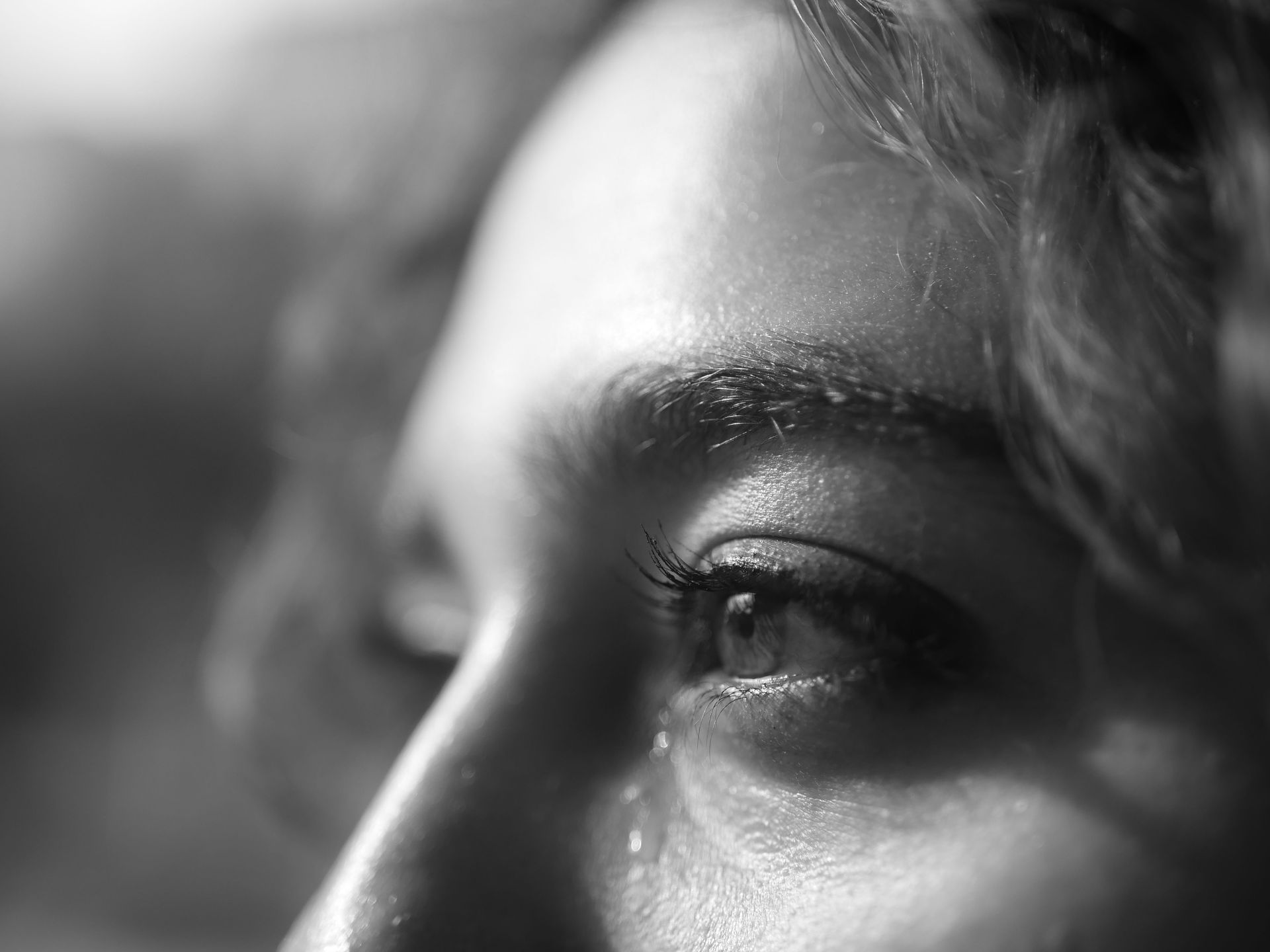
What Is a Deep Double Eyelid Fold?
A deep double eyelid fold occurs when the crease attachment between the skin and underlying eyelid structures is too strong, too deep, or positioned in a way that creates excessive indentation.
Patients often notice:
- A very deep eyelid crease
- Visible indentation above the eyelashes
- An unnatural appearance
- Excessive eyelid shadows
- Hollow-looking upper eyelids
- Eyes that appear older than expected
- A surgical or "operated" look
While some crease definition is desirable, excessive depth can negatively affect overall facial harmony.
Why Does a Double Eyelid Fold Become Too Deep?
Excessively Strong Fixation
During double eyelid surgery, the skin is attached to deeper structures to create the fold.
If the fixation is too strong, the crease may become overly deep and remain visible even when the eyes are closed.
Aggressive Surgical Technique
Creating excessive tissue attachment or removing too much tissue during surgery can increase fold depth and create an unnatural appearance.
Excessive Fat Removal
Removing too much upper eyelid fat can contribute to:
- Hollow upper eyelids
- Deep shadows
- Prominent creases
- An aged appearance
This is one of the most common causes of deep and unnatural-looking eyelids.
Thin Eyelid Skin
Patients with naturally thin eyelid skin may be more prone to developing deep folds because there is less soft tissue available to conceal the crease.
Scar Tissue Formation
Scar tissue can pull the eyelid inward during healing, causing the crease to appear deeper than originally intended.
Signs of an Overly Deep Double Eyelid Fold
You may have a deep eyelid fold if you notice:
- A crease that looks excessively indented
- The fold remains highly visible even when the eyes are closed
- Deep shadows above the eyelashes
- Hollow upper eyelids
- An unnatural or harsh appearance
- Eyes that look older after surgery
- Difficulty achieving a soft and natural look
Many patients report that their eyes appear more tired despite technically successful surgery.
Deep Double Eyelid Fold vs. High Double Eyelid Fold
Although they are often confused, a deep fold and a high fold are not the same problem.
Deep Fold
- Excessive indentation
- Strong fixation
- Deep shadows
- Prominent crease line
High Fold
- Crease positioned too high on the eyelid
- Large visible eyelid platform
- Excess skin between eyelashes and fold
- Artificial appearance
Some patients may experience both issues simultaneously.
Can Deep Eyelid Folds Improve Naturally?
Sometimes.
During the early recovery period, swelling and scar tissue can temporarily exaggerate crease depth.
As healing progresses:
- Swelling decreases
- Scar tissue softens
- Eyelid tissues become more flexible
- Crease depth may improve
For this reason, surgeons generally recommend waiting several months before considering revision surgery.
Why Deep Eyelid Folds Make Eyes Look Older
Many patients seek double eyelid surgery to achieve a younger appearance.
Ironically, a deep fold can have the opposite effect.
An overly deep crease may create:
- Hollow upper eyelids
- Skeletal eye contours
- Dark shadows
- A fatigued appearance
- Premature aging around the eyes
This is particularly noticeable in patients who have lost upper eyelid volume.
When Is Revision Surgery Necessary?
Revision surgery may be recommended if:
- The crease remains excessively deep after healing
- The eyes look unnatural
- Significant hollowness develops
- Scar tissue causes tightness
- Facial balance is affected
- The patient remains dissatisfied with the result
A thorough evaluation is necessary to determine the exact cause of the deep fold.
How Deep Double Eyelid Fold Correction Works
The treatment approach depends on the underlying cause.
Releasing Excessive Fixation
One of the most common revision techniques involves releasing overly aggressive attachments that are creating excessive crease depth.
This allows the eyelid to move more naturally.
Scar Tissue Revision
Scar tissue can be removed or released to reduce tension and soften the crease.
Crease Reconstruction
In some cases, the original fold must be redesigned and recreated at a more appropriate depth.
Fat Repositioning
Redistributing existing eyelid fat can help restore natural volume and soften the crease.
Fat Grafting
Patients with severe hollowness may benefit from fat grafting to:
- Restore upper eyelid volume
- Reduce shadowing
- Create a softer appearance
- Improve overall eyelid contour
Deep Folds and Hollow Upper Eyelids
Deep creases are often accompanied by upper eyelid hollowness.
Common causes include:
- Aging-related volume loss
- Excessive fat removal
- Thin eyelid tissues
- Scar tissue contraction
Treating both the crease and the volume deficiency often produces the most natural results.
Why Revision Surgery Is More Complex
Revision eyelid surgery is generally more challenging than primary surgery because surgeons must work around:
- Existing scar tissue
- Previous fixation points
- Altered anatomy
- Reduced tissue flexibility
Experience with revision blepharoplasty is essential for achieving predictable outcomes.
Why Patients Choose Korea for Deep Fold Correction
Korea is internationally recognized for advanced eyelid surgery and revision procedures.
Many international patients travel to Seoul for:
- Deep fold correction
- Revision double eyelid surgery
- High crease correction
- Upper eyelid fat grafting
- Scar revision
- Complex eyelid reconstruction
Korean eyelid specialists frequently perform revision procedures and have extensive experience correcting unnatural surgical outcomes.
How Long Should You Wait Before Revision Surgery?
Most surgeons recommend waiting at least 6 months after the original surgery before considering revision.
This allows:
- Swelling to fully resolve
- Scar tissue to mature
- Eyelid position to stabilize
- Final results to become visible
Early revision is generally reserved for severe functional problems.
What Happens During a Revision Consultation?
Your surgeon will evaluate:
- Crease depth
- Eyelid skin thickness
- Scar tissue
- Upper eyelid volume
- Muscle function
- Facial balance
- Previous surgical changes
The goal is to identify the cause of the deep fold and create a customized treatment plan.
Final Thoughts
A deep double eyelid fold can make the eyes appear unnatural, hollow, and older than intended. While some cases improve during the healing process, persistent deep creases often result from excessive fixation, scar tissue, or volume loss.
Fortunately, modern revision techniques can often soften the crease, restore volume, and create a more natural eyelid appearance. For patients considering deep double eyelid fold correction in Korea, choosing a surgeon experienced in revision eyelid surgery is one of the most important factors for achieving natural and long-lasting results.