Triple Eyelid Creases After Surgery
Double eyelid surgery is intended to create a single, clean, and natural-looking eyelid fold. However, some patients develop triple eyelid creases after surgery, resulting in multiple visible folds instead of one smooth crease. This complication can make the eyes appear uneven, aged, tired, or unnatural and is a common reason patients seek revision eyelid surgery.
While triple eyelid creases can be concerning, many cases can be successfully corrected through advanced revision techniques performed by experienced eyelid surgeons.
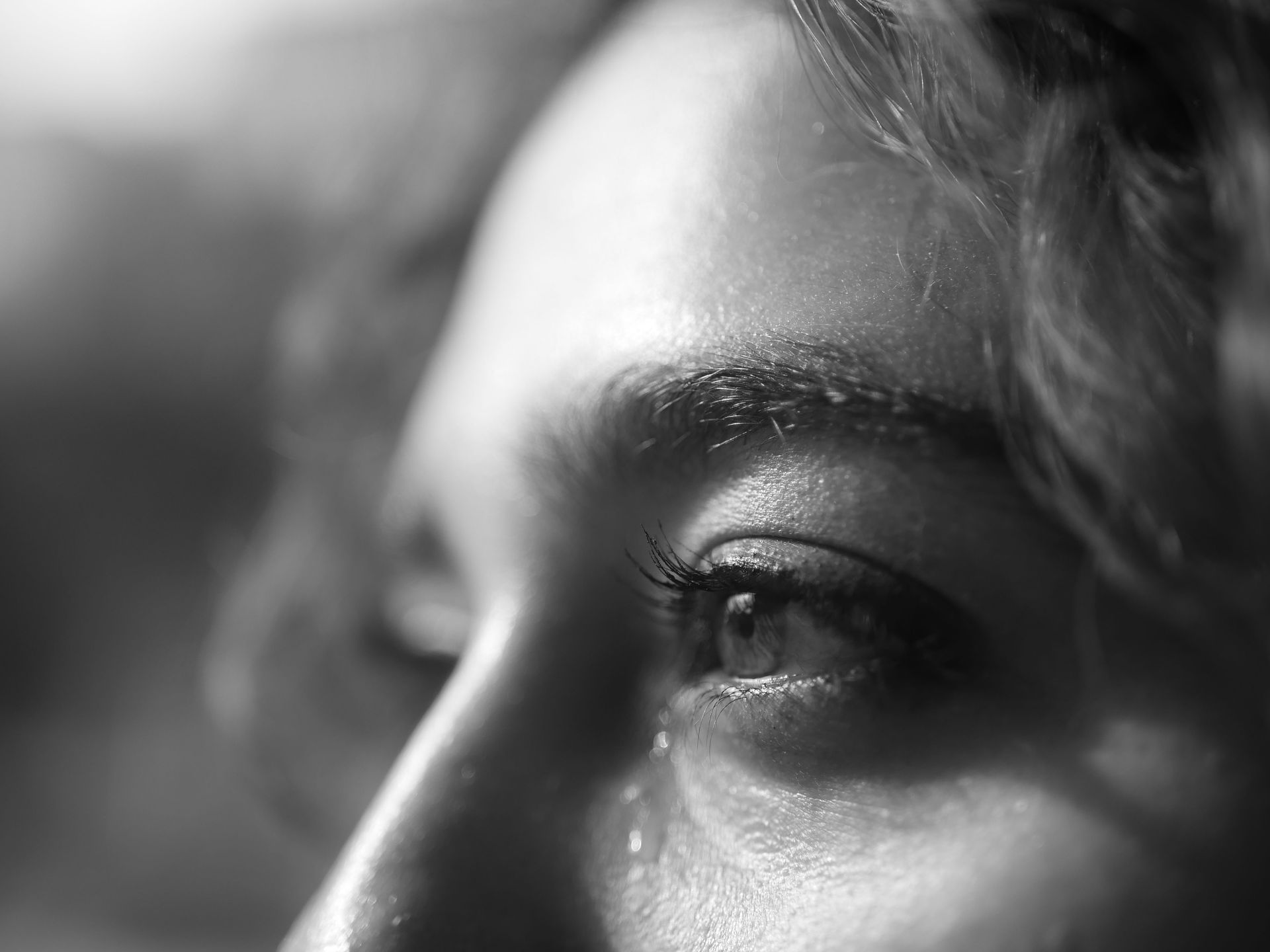
What Are Triple Eyelid Creases?
Triple eyelid creases occur when three distinct fold lines appear on the upper eyelid instead of one defined double eyelid crease.
Patients may notice:
- Three visible eyelid lines
- Multiple overlapping folds
- Unstable crease formation
- Different crease patterns throughout the day
- Uneven appearance between the eyes
- A tired or aged look
In some cases, the triple folds are visible only when the eyes are open, while in others they remain noticeable even when the eyes are closed.
Why Do Triple Eyelid Creases Develop After Surgery?
Several factors can contribute to the formation of triple eyelid folds following blepharoplasty.
Scar Tissue Formation
Scar tissue is one of the most common causes.
As scar tissue develops and contracts during healing, it can create additional attachment points within the eyelid, leading to multiple crease lines.
Incomplete Crease Fixation
Double eyelid surgery relies on precise fixation between the skin and deeper eyelid structures.
If the fixation is uneven or unstable, additional folds may form as the eyelid heals.
Excess Skin Laxity
Patients with excess upper eyelid skin are more likely to develop secondary or tertiary folds.
Loose skin may collapse above or below the intended crease, creating multiple visible lines.
High Double Eyelid Creases
An excessively high fold may leave redundant skin between the eyelash line and the crease.
This excess tissue can fold upon itself and create additional crease lines.
Aging Changes
As skin elasticity decreases with age, patients may become more susceptible to developing multiple eyelid folds after surgery.
Previous Eyelid Surgery
Revision cases often have higher risks of triple eyelid formation due to:
- Existing scar tissue
- Altered anatomy
- Previous fixation points
- Changes in skin elasticity
Are Triple Eyelid Creases Normal During Recovery?
In many cases, yes.
Temporary triple folds may develop during the early stages of healing because of:
- Swelling
- Scar tissue formation
- Tissue stiffness
- Healing irregularities
Many patients notice significant improvement within the first several months after surgery as swelling decreases and scar tissue softens.
This is why most surgeons recommend waiting before considering revision surgery.
Signs That Triple Eyelid Creases May Need Treatment
You may benefit from a revision consultation if:
- Triple folds remain after 6 months
- One eye develops multiple folds while the other does not
- The folds become increasingly noticeable
- The eyelids appear asymmetrical
- Scar tissue causes tightness
- The appearance looks unnatural or aged
A detailed examination can identify the underlying cause and determine whether corrective treatment is appropriate.
How Triple Eyelid Creases Affect Appearance
Many patients are concerned not only about the extra folds themselves but also about the overall effect on facial aesthetics.
Triple eyelid creases can make the eyes appear:
- Older
- More tired
- Less defined
- Asymmetrical
- Overly operated
Instead of achieving a clean and elegant eyelid contour, the eyes may appear cluttered and less harmonious.
Triple Eyelids and Ptosis
In some patients, multiple folds develop because of underlying ptosis.
When the eyelid muscles are weak, patients unconsciously use forehead muscles to raise their eyelids.
This increased muscle activity can contribute to:
- Multiple crease formation
- Dynamic eyelid folding
- Unstable crease patterns
In these cases, ptosis correction may be necessary in addition to crease revision.
Can Triple Eyelid Creases Improve Without Surgery?
Yes.
Some cases improve naturally as:
- Swelling resolves
- Scar tissue matures
- Eyelid tissues soften
- Healing stabilizes
Minor triple folds that appear shortly after surgery often become less noticeable over time.
Observation may be appropriate during the recovery period before deciding on revision surgery.
How Revision Surgery Corrects Triple Eyelid Creases
Revision surgery focuses on restoring a single, stable, and natural-looking eyelid fold.
Scar Tissue Release
Restrictive scar tissue can be carefully released to eliminate abnormal folding patterns.
Removal of Unwanted Adhesions
Extra fixation points that create multiple creases may be removed during revision surgery.
Crease Reconstruction
The surgeon can redesign and recreate a single, more stable eyelid fold.
Skin Management
If excess skin contributes to multiple folds, conservative skin adjustment may improve eyelid contour.
Fat Repositioning or Fat Grafting
Patients with hollow upper eyelids may benefit from volume restoration procedures to support a smoother eyelid shape.
Why Revision Surgery Is More Complex
Revision eyelid surgery is generally more challenging than primary surgery because surgeons must work around:
- Existing scar tissue
- Previous surgical changes
- Altered anatomy
- Unpredictable healing patterns
For this reason, experience with revision procedures is particularly important.
Why Patients Travel to Korea for Revision Eyelid Surgery
Korea is internationally recognized for advanced eyelid surgery and revision blepharoplasty.
Many international patients travel to Seoul for:
- Triple eyelid crease correction
- Revision double eyelid surgery
- Ptosis correction
- Scar revision
- Complex eyelid reconstruction
The extensive experience of Korean eyelid specialists allows them to address difficult cases with highly individualized treatment plans.
How Long Should You Wait Before Revision Surgery?
Most revision surgeons recommend waiting at least 6 months after the original surgery.
This allows:
- Swelling to fully resolve
- Scar tissue to mature
- Eyelid position to stabilize
- Final results to become apparent
Performing revision surgery too early may increase the risk of further complications.
What Happens During a Revision Consultation?
Your surgeon will evaluate:
- Number and location of crease lines
- Scar tissue formation
- Eyelid skin quality
- Muscle function
- Previous surgical changes
- Facial symmetry
The goal is to identify the specific cause of the triple folds and create a customized correction plan.
Final Thoughts
Triple eyelid creases after surgery can affect both eyelid aesthetics and overall facial harmony. While temporary multiple folds may develop during the healing process, persistent triple creases often result from scar tissue, unstable fixation, excess skin, or underlying muscle issues.
Fortunately, modern revision eyelid surgery can often restore a cleaner, more natural eyelid contour by addressing the root cause of the problem. For patients considering corrective treatment in Korea, choosing a surgeon experienced in complex revision blepharoplasty is one of the most important factors in achieving successful and long-lasting results.