Eyes Look Smaller After Double Eyelid Surgery
Many patients choose double eyelid surgery hoping to achieve larger, brighter, and more defined eyes. While most procedures successfully enhance the appearance of the eyes, some patients become concerned when their eyes appear smaller after surgery rather than bigger.
This unexpected outcome can be frustrating, especially when the goal of surgery was to create a more open and refreshed appearance. Fortunately, there are several reasons why eyes may look smaller after double eyelid surgery, and many of these issues can be improved through proper evaluation and, if necessary, revision surgery.
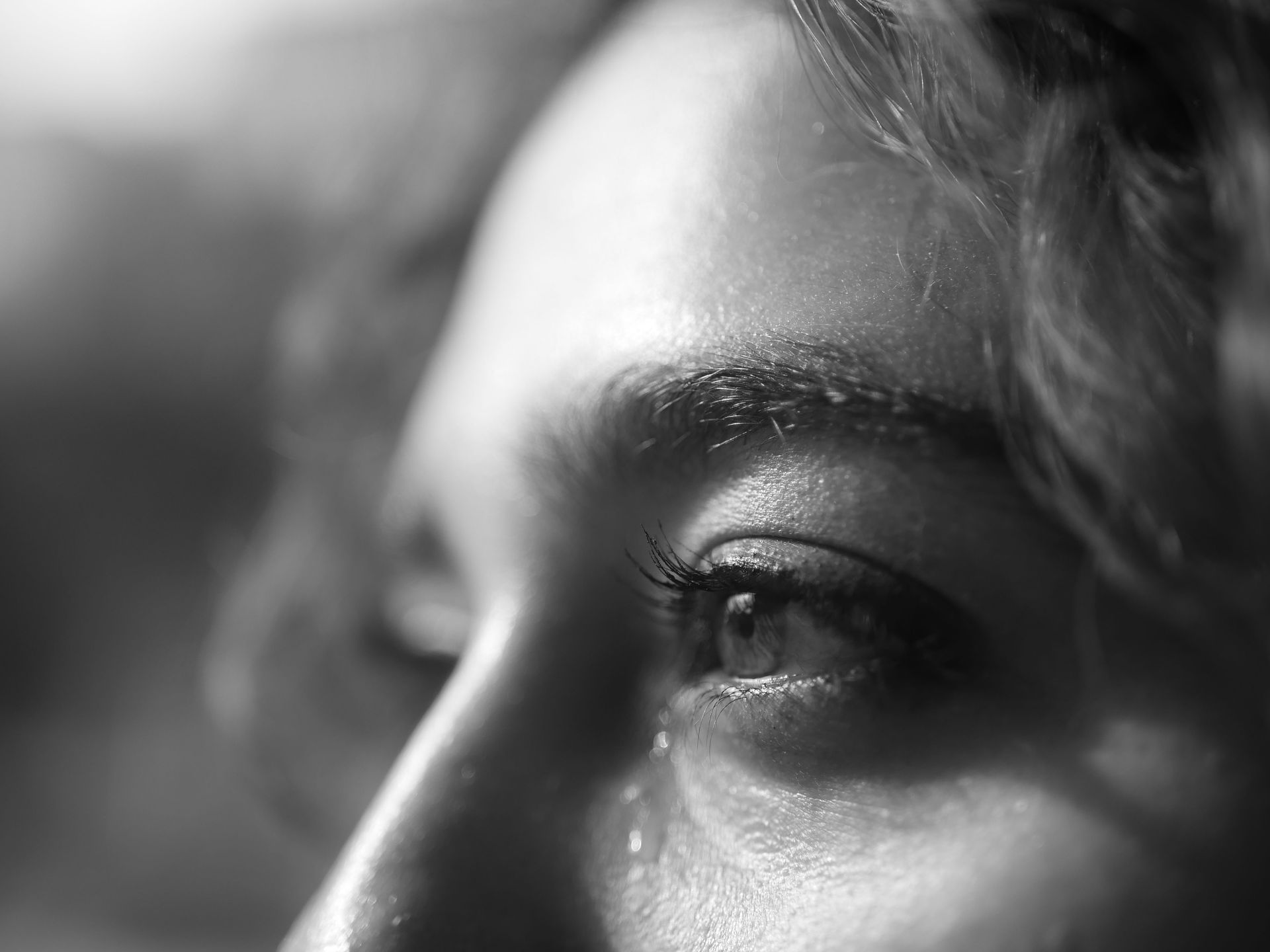
Is It Normal for Eyes to Look Smaller After Double Eyelid Surgery?
In the early stages of recovery, yes.
Many patients notice that their eyes appear smaller during the first few weeks after surgery because of:
- Swelling
- Tightness
- Bruising
- Temporary eyelid stiffness
- Incomplete eye opening
As healing progresses, the eyes often become more open and natural-looking.
For this reason, surgeons generally recommend waiting several months before evaluating the final result.
Why Do Eyes Look Smaller After Double Eyelid Surgery?
Excessive Swelling
Swelling is the most common cause of temporary small-looking eyes after surgery.
When the eyelids become swollen:
- The crease may appear thick
- The eyes may not open fully
- The eyelids can feel heavy
- The visible eye area may appear reduced
This typically improves gradually during the recovery period.
Crease Positioned Too High
A double eyelid fold that is created too high can sometimes have the opposite effect of what patients expect.
Instead of making the eyes look larger, a high crease may:
- Create an unnatural appearance
- Make the eyes appear deeper set
- Reduce natural eye definition
- Cause the eyes to look smaller or less balanced
High creases are one of the most common reasons patients seek revision double eyelid surgery.
Ptosis That Was Not Corrected
Many patients have mild ptosis, or drooping eyelids, before surgery without realizing it.
If double eyelid surgery is performed without addressing underlying ptosis:
- The eyelids may still cover part of the pupil
- The eyes may continue to look small
- The crease may be visible but eye opening remains limited
In these situations, ptosis correction may be necessary to achieve larger and more open-looking eyes.
Overly Aggressive Skin Removal
Removing too much skin during surgery can create tension in the upper eyelid.
This may lead to:
- Restricted eyelid movement
- Tightness
- Difficulty opening the eyes fully
- Smaller-appearing eyes
Revision surgery may be required in severe cases.
Scar Tissue Formation
Scar tissue can alter eyelid movement and affect eye opening.
Signs include:
- Tight eyelids
- Thick crease lines
- Uneven eye opening
- Persistent heaviness
Revision procedures can often improve eyelid mobility and appearance.
Eyes Look Smaller Because of Ptosis
One of the most overlooked causes of small-looking eyes after double eyelid surgery is untreated ptosis.
Ptosis occurs when the muscle responsible for lifting the eyelid is weak.
Symptoms may include:
- Small-looking eyes
- Heavy eyelids
- Forehead strain
- Tired appearance
- Uneven eye opening
Many patients who believe they need revision double eyelid surgery actually benefit from ptosis correction instead.
High Double Eyelid Creases and Small-Looking Eyes
Contrary to popular belief, a higher crease does not always make the eyes appear larger.
In some cases, excessively high folds can:
- Make the eyes appear artificial
- Create a hollow appearance
- Reduce facial harmony
- Draw attention away from the eyes themselves
Lowering the crease through revision surgery can often restore a more natural and youthful appearance.
Can Small-Looking Eyes Improve Over Time?
Yes.
Many concerns improve naturally as healing progresses.
During the first few months:
- Swelling decreases
- Scar tissue softens
- Eyelid movement improves
- Eye opening becomes more natural
Patients are often surprised by how much their eyes change between the first month and the sixth month after surgery.
Signs You May Need Revision Surgery
You may benefit from a revision consultation if:
- Your eyes still look significantly smaller after 6 months
- One eye appears smaller than the other
- The crease is excessively high
- You experience tightness or restricted eyelid movement
- Eye opening remains limited
- The appearance looks unnatural
A thorough examination can determine whether revision surgery, ptosis correction, or additional treatment is appropriate.
How Revision Surgery Can Help
The best treatment depends on the cause of the problem.
Ptosis Correction
If limited eye opening is the primary issue, strengthening the eyelid muscle may create larger and brighter-looking eyes.
Crease Revision
A crease that is too high, too deep, or poorly positioned can be adjusted to create a more natural appearance.
Scar Tissue Release
Removing restrictive scar tissue can improve eyelid mobility and eye opening.
Volume Restoration
Patients with hollow upper eyelids may benefit from fat grafting or fat repositioning to restore a softer contour.
Eyelid Reconstruction
In more complex cases, reconstructive revision surgery may be necessary to restore proper eyelid anatomy.
Why Patients Choose Korea for Revision Eyelid Surgery
Korea is internationally recognized for advanced eyelid surgery and revision blepharoplasty.
Many patients travel to Seoul for:
- Revision double eyelid surgery
- Ptosis correction
- High crease correction
- Scar revision
- Eyelid reconstruction
Korean eyelid specialists frequently manage complex revision cases and have extensive experience correcting unsatisfactory outcomes from previous surgeries.
How Long Should You Wait Before Revision?
Most revision specialists recommend waiting at least 6 months after surgery before considering corrective procedures.
This allows:
- Swelling to fully resolve
- Scar tissue to mature
- Eyelid position to stabilize
- Final results to become visible
Exceptions may be made for severe functional complications.
What Happens During a Revision Consultation?
Your surgeon will evaluate:
- Eye opening
- Eyelid muscle strength
- Crease height
- Scar tissue
- Skin tension
- Facial symmetry
- Previous surgical changes
The goal is to identify the exact reason the eyes appear smaller and develop a personalized correction plan.
Final Thoughts
Seeing smaller-looking eyes after double eyelid surgery can be disappointing, especially when the goal was to create a more open and attractive appearance. While swelling and healing changes often improve naturally, persistent concerns may indicate issues such as untreated ptosis, high crease placement, scar tissue, or excessive skin removal.
Fortunately, modern revision eyelid surgery can address many of these problems and help restore larger, brighter, and more natural-looking eyes. Consulting with an experienced revision eyelid surgeon is the best way to determine the most effective treatment for your individual situation.