Undercorrected Ptosis Surgery: Why Eyelids Still Look Droopy
Ptosis surgery is designed to lift drooping upper eyelids and improve both vision and appearance. Most patients notice brighter, more open eyes after the procedure. However, some individuals feel disappointed when their eyelids continue to look heavy or droopy even after surgery. This condition is known as undercorrected ptosis surgery and is one of the most common reasons patients seek revision eyelid surgery.
If your eyelids still appear tired, uneven, or partially closed after recovery, understanding the cause of undercorrection is the first step toward finding the right solution.
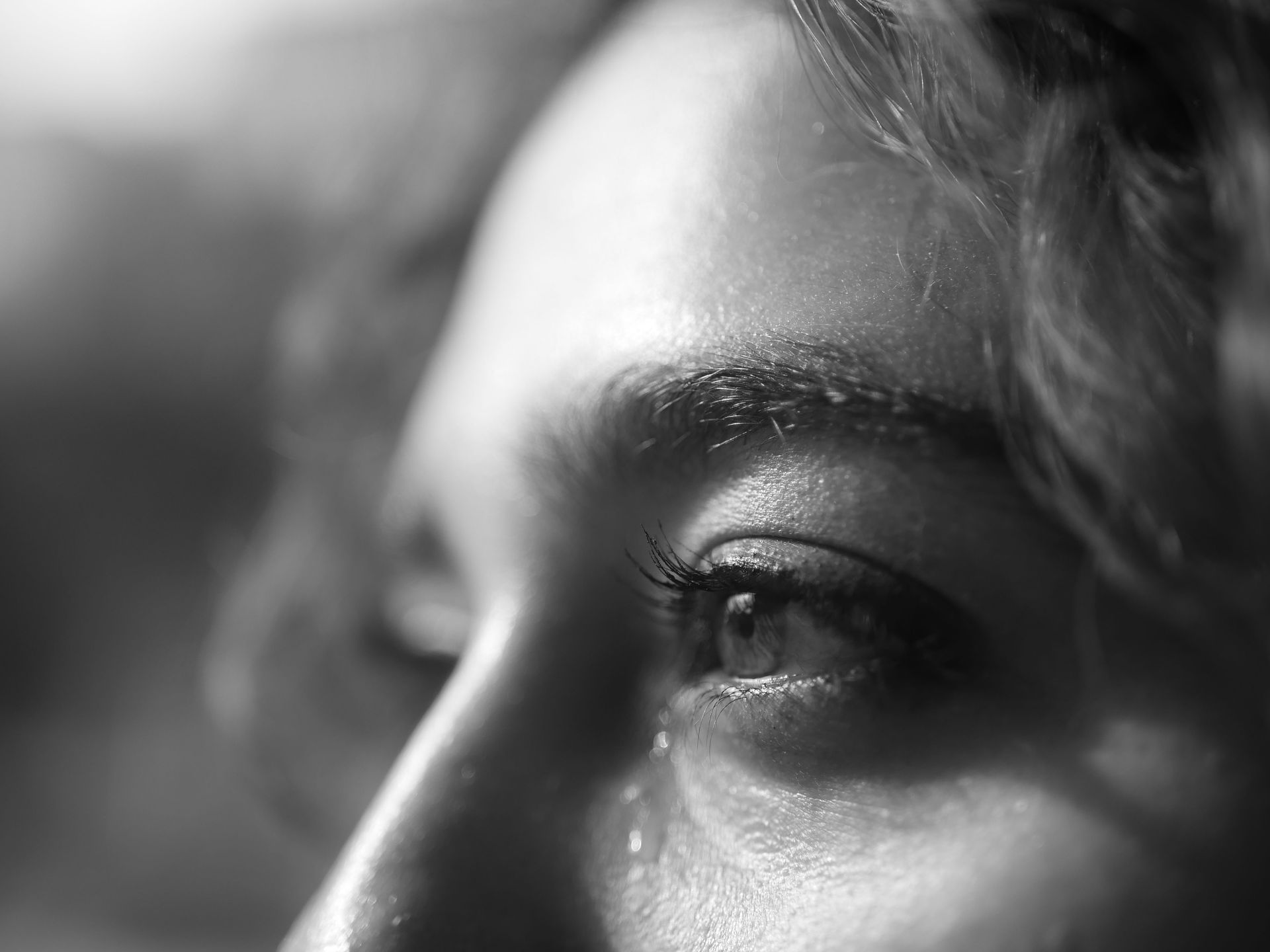
What Is Undercorrected Ptosis Surgery?
Undercorrected ptosis surgery occurs when the eyelid is not lifted enough during the procedure or when the eyelid gradually settles into a lower position during healing.
As a result, patients may continue to experience:
- Droopy upper eyelids
- Heavy-looking eyes
- Uneven eyelid height
- Obstructed upper vision
- A tired or sleepy appearance
- Difficulty seeing the full results of surgery
In some cases, the improvement is present but not significant enough to meet the patient's functional or cosmetic goals.
What Is Ptosis?
Ptosis refers to the drooping of the upper eyelid caused by weakness or stretching of the muscle responsible for lifting the eyelid.
Common symptoms include:
- Heavy eyelids
- Eyes that appear smaller
- Forehead strain from constantly raising the brows
- Fatigue around the eyes
- Vision obstruction in severe cases
Ptosis surgery corrects this condition by tightening or repositioning the levator muscle or tendon to improve eyelid elevation.
Why Do Eyelids Still Look Droopy After Ptosis Surgery?
Inadequate Muscle Adjustment
The most common reason for undercorrection is insufficient tightening of the levator muscle.
If the adjustment is too conservative, the eyelid may not lift enough to achieve the desired result.
Severe Pre-Existing Ptosis
Patients with significant eyelid drooping often require larger corrections.
In some cases, achieving a perfect result in a single surgery can be challenging, particularly when muscle function is weak.
Healing Changes
Eyelid position can change during recovery.
As swelling decreases and tissues settle, the eyelid may gradually descend slightly, making the correction appear less effective than initially expected.
Weak Levator Muscle Function
Patients with poor muscle strength may not respond as predictably to standard ptosis surgery.
Additional surgical techniques may sometimes be required to achieve adequate elevation.
Scar Tissue Formation
Scar tissue can affect how the eyelid moves after surgery and may limit the final lifting effect.
This is more common in revision cases or patients who have undergone previous eyelid procedures.
Signs of Undercorrected Ptosis Surgery
You may be experiencing undercorrection if:
- Your eyelids still look droopy after healing
- One eye remains lower than the other
- Your eyes continue to appear tired
- Your upper field of vision remains partially blocked
- You frequently raise your eyebrows to see better
- The improvement is minimal compared to your expectations
A detailed evaluation can determine whether the issue is related to ptosis, swelling, scar tissue, or another factor.
How Long Should You Wait Before Judging Results?
Patience is important after ptosis surgery.
During the first several weeks:
- Swelling can distort eyelid position
- Scar tissue continues to develop
- Eyelid muscles adapt to their new position
- Final results are not yet visible
Most surgeons recommend waiting at least 3 to 6 months before determining whether the surgery is truly undercorrected.
In many cases, the eyelids continue improving throughout the healing process.
Undercorrected Ptosis vs. Residual Swelling
Many patients mistakenly assume their surgery has failed when swelling is still present.
Signs that swelling may be contributing include:
- Puffy eyelids
- Fluctuating eyelid appearance throughout the day
- Gradual improvement over time
- Uneven healing between both eyes
A specialist can determine whether additional healing time is appropriate before recommending revision surgery.
Can Undercorrected Ptosis Improve Without Surgery?
In some cases, mild undercorrection may become less noticeable as recovery progresses.
Factors that may improve naturally include:
- Residual swelling
- Temporary muscle weakness
- Scar tissue maturation
- Eyelid adaptation
However, significant undercorrection caused by insufficient muscle adjustment generally requires revision surgery to achieve further improvement.
When Is Revision Ptosis Surgery Necessary?
Revision surgery may be recommended when:
- Drooping persists after complete healing
- Eyelid height remains significantly low
- Vision is still affected
- Facial asymmetry is noticeable
- The patient remains dissatisfied with the result
The timing and technique of revision surgery depend on the severity and cause of the undercorrection.
How Revision Surgery Corrects Undercorrected Ptosis
Revision ptosis surgery is customized to the individual patient.
Additional Levator Tightening
The surgeon may further tighten or advance the levator muscle to achieve better eyelid elevation.
Scar Tissue Management
If scar tissue is limiting eyelid movement, it may be released or revised during surgery.
Eyelid Height Balancing
When one eye is lower than the other, adjustments can be made to improve symmetry.
Advanced Reconstruction Techniques
In more complex cases, specialized reconstructive procedures may be necessary to restore optimal eyelid function.
Why Revision Ptosis Surgery Is More Challenging
Revision surgery is often more difficult than primary surgery because the surgeon must work around:
- Existing scar tissue
- Altered anatomy
- Previous muscle modifications
- Changes from prior healing
For this reason, choosing a surgeon experienced in revision eyelid surgery is particularly important.
Why Patients Travel to Korea for Revision Ptosis Surgery
Korea has become one of the world's leading destinations for advanced eyelid surgery and revision procedures.
Many international patients visit Seoul for:
- Revision ptosis surgery
- Revision double eyelid surgery
- Scar revision
- Complex asymmetry correction
- Eyelid reconstruction
The high volume of eyelid procedures performed in Korea has allowed many surgeons to develop extensive expertise in correcting challenging cases.
What Happens During a Revision Consultation?
Your surgeon will evaluate:
- Eyelid height
- Levator muscle function
- Eye opening strength
- Scar tissue
- Facial symmetry
- Brow position
- Visual obstruction
Understanding the exact reason for the persistent drooping is essential for creating an effective revision plan.
Can Undercorrected Ptosis Surgery Be Successfully Fixed?
In many cases, yes.
Modern revision ptosis surgery can often improve:
- Eyelid height
- Eye symmetry
- Visual function
- Facial appearance
- Patient satisfaction
Although revision surgery may be more complex than the original procedure, significant improvements are frequently achievable when performed by an experienced specialist.
Final Thoughts
Undercorrected ptosis surgery can leave patients feeling frustrated when their eyelids continue to appear droopy despite undergoing surgery. While temporary swelling and healing changes may contribute to early concerns, persistent drooping after full recovery often indicates true undercorrection.
Fortunately, revision ptosis surgery can often provide meaningful improvements in eyelid position, vision, and facial balance. If your eyelids still look heavy months after surgery, consulting with an experienced revision eyelid surgeon can help determine the most appropriate correction strategy.