Can Under-Eye Surgery Preserve the Natural Roll Beneath the Lashes?

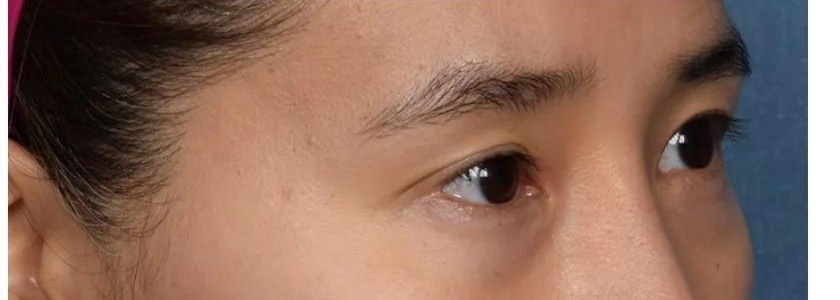
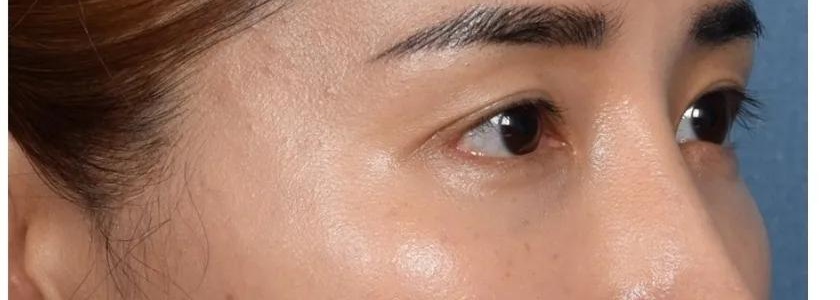
Many people considering under-eye surgery want their eye bags gone but are worried about losing the soft, rounded fullness that sits just beneath the lashes. This small roll, created by the pretarsal portion of the orbicularis muscle, is often described in Korea as aegyo-sal, and it is widely seen as a sign of a youthful, friendly expression. Losing it can make the eyes look flatter, colder or older, even when the bags have been successfully removed. The reassuring news is that, in most cases, eye bag surgery can be planned to preserve this roll, and sometimes even to make it more visible.
This article explains what the natural roll is, why it can be lost during surgery and how surgeons protect it.
What the Natural Roll Is
The orbicularis oculi muscle encircles the eye and is divided into zones.
- The part closest to the lashes, lying over the firm tarsal plate, is called the pretarsal orbicularis.
- When you smile, this band contracts and bunches slightly, creating a soft, horizontal roll just below the lash line.
- The roll is mostly muscle with a thin layer of skin over it, and it sits above the area where eye bags form.
In a youthful face, the roll is visible in smiling and sometimes at rest, giving the eye a gently curved lower contour. Eye bags, by contrast, sit lower and are made of orbital fat pushing forward from behind the septum. Because the two features are in different layers and positions, they can usually be treated separately.
Why the Roll Can Be Lost
The natural roll can be lost in several ways:
- External incisions through the muscle: cutting, thinning or over-tightening the pretarsal muscle in a skin–muscle flap
- Excessive skin removal: pulling the lid tight and flattening the roll
- Scar tissue and nerve injury: dissection near small nerve branches can weaken contraction
- Over-correction of fat: an overall hollow lid makes the roll look less defined
How Surgeons Preserve the Roll
Techniques that help protect the roll include:
- Transconjunctival approach: reaching the fat from inside the eyelid without cutting skin or pretarsal muscle
- Fat repositioning rather than removal: smoothing the contour while keeping volume
- Skin pinch rather than skin–muscle flap: trimming skin only and leaving the muscle intact
- Careful muscle handling: preserving a strip of pretarsal muscle and its nerve supply if an external approach is needed
How Surgeons Decide Whether a Roll Is Worth Keeping
Before surgery, the surgeon watches your face in motion.
- They look at the height and thickness of the roll when you smile, whether it is visible at rest, and whether it is symmetrical between the two eyes. They also consider how the roll fits your overall features.
- A defined roll tends to suit softer, rounder eye shapes and can make a smile look warmer, while a very heavy roll on a narrow eye may make the eye look smaller.
- The surgeon will also check that what looks like a roll is not actually a small fat bulge sitting just under the lashes, because the two require different handling.
Your own preference matters as much as the anatomy. Some patients value the roll highly and want every step of the operation designed around keeping it. Others are more concerned with removing puffiness and accept a subtler roll. Saying clearly which matters more to you helps the surgeon choose the right balance between correction and preservation.
It also helps to bring photos from several years ago, if you have them. These show how your roll looked before the eye bags developed, which gives both you and the surgeon a realistic target rather than an idealized one.
Can the Roll Be Enhanced?
Some patients, particularly in East Asia, want their roll to look a little fuller.
- Options include small amounts of filler placed carefully in the pretarsal area, or fat grafting.
- Some surgeons offer surgical techniques that adjust the pretarsal muscle to make the roll more prominent.
- Enhancement should be conservative, because an overly full roll can look puffy or unnatural, especially if it is uneven.
When the Roll Becomes Excessive
In a minority of patients, the pretarsal muscle is very thick, and the roll looks like a persistent puffiness rather than a pleasant fullness. In these cases, the surgeon may suggest softening rather than preserving it, using small doses of neuromodulator or, more rarely, surgical adjustment. This decision should be based on your preferences and facial proportions.
What to Expect After Surgery
The roll often changes temporarily during healing:
- Swelling can flatten or exaggerate it at first
- Smiling may feel stiff in the first few weeks
- The roll may look different on each side early on
- It usually returns to its natural appearance as swelling resolves and muscle movement recovers
- Most patients see the final effect around two to three months
Frequently Asked Questions
Will I lose my aegyo-sal after eye bag surgery?
Not if the plan protects the pretarsal muscle. A transconjunctival approach is often chosen for this reason.
Can filler create a natural roll?
In some cases, yes, but small amounts and careful technique are essential.
Is an external incision always bad for the roll?
No. With careful muscle preservation, an external approach can still keep the roll.
Planning a Consultation in Seoul
Tell the surgeon clearly that you want to keep your natural roll, and bring smiling photos that show how it looks now. Ask which approach they recommend, how they protect the pretarsal muscle and what they would do if one side looked different during healing.



Transconjunctival vs Skin-Incision Lower Blepharoplasty When You Have Both Fat Bulges and Loose Skin