How Does a Surgeon Assess Loose Lower Eyelid Skin Before Surgery?

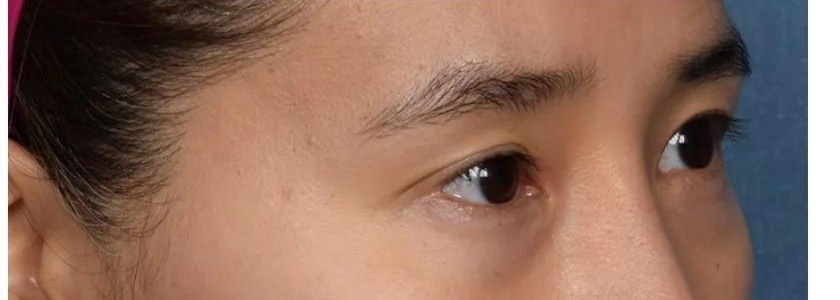
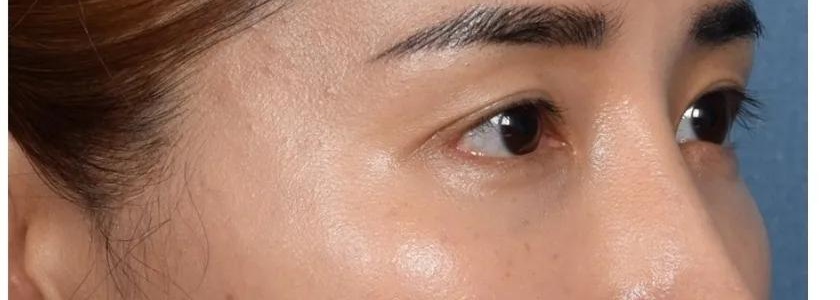
Loose skin on the lower eyelid is one of the features people most often want to improve, and it is also one of the trickiest to treat. Taking away too little leaves crepey folds, while taking away too much can pull the lid downward and change the shape of the eye. For this reason, surgeons spend considerable time evaluating lower lid skin before deciding whether to remove any at all, and if so, how much and by which method. The assessment is more detailed than a quick look in the mirror, and understanding it helps you have a more informed conversation at your consultation.
This guide explains what surgeons look for when they assess loose lower eyelid skin and how those findings shape the plan.
Why Lower Lid Skin Needs Extra Caution
The upper eyelid can usually tolerate generous skin removal because gravity and the eyelid opening help it settle naturally.
- The lower eyelid is different. It has to hold its position against gravity, and any reduction in skin length adds downward tension.
- In the weeks after surgery, swelling and scar contraction add further pull.
- If the skin has been shortened too much, the lid can sag, revealing white below the iris or turning outward.
- Correcting this later is far more complex than avoiding it in the first place.
Because of this, many surgeons describe lower lid skin removal as an area where less is often more. The goal is to remove only what is truly excess while keeping enough length for the lid to move and heal comfortably.
What Surgeons Look For
Skin assessment involves more than a quick look:
- Pinch test: while you look up with your mouth open, only skin that can still be pinched comfortably is considered excess
- Crepiness versus true excess: fine, wrinkled texture may have enough length but poor quality, which skin treatments often address better than removal
- Muscle laxity: what looks like loose skin may be a lax muscle fold that needs a different approach
- Skin thickness and color: thin skin tolerates less tension, and darker skin may be more prone to pigment changes after resurfacing
Assessing Lid Support at the Same Time
Skin assessment is always combined with an evaluation of lower lid support.
- The surgeon performs a snap-back test to see how quickly the lid returns after being pulled away from the eye, and a distraction test to measure how far it can be pulled forward. They also check the lid margin position relative to the iris and how prominent the eyes are compared with the cheeks.
- If support is weak, the surgeon may limit skin removal or add a lid support procedure such as canthopexy.
Common Approaches to Loose Skin
The main options are:
- Skin pinch: a small strip of skin just below the lashes is trimmed without disturbing the muscle; often combined with transconjunctival fat repositioning
- Skin–muscle flap: for more significant excess and muscle laxity, with careful attention to lid support
- Non-surgical treatments: laser resurfacing, chemical peels, microneedling or radiofrequency for mild laxity or crepiness
How Expectations Are Set
Even after skin removal, a small amount of fine wrinkling when smiling is normal and desirable, because it reflects natural movement.
- Surgeons typically aim to reduce visible folds at rest and soften crepiness rather than make the skin completely tight.
- Patients who want a perfectly smooth lower lid in every expression may need to balance that wish against the risk of an unnatural or pulled-down appearance.
Recovery Considerations
After lower lid skin removal, you can usually expect:
- An incision just below the lashes that becomes difficult to see within a few months
- Mild tightness and swelling in the first few weeks
- Possibly a slightly lowered lid position early on, sometimes managed with massage or taping
- Additional redness for several weeks if skin resurfacing is combined
When Skin Removal Is Not the Answer
Some patients arrive certain that they need skin removed, only to learn that the main issue is something else.
- Bulging fat can stretch the skin so that it looks loose, and once the fat is repositioned, the skin often settles and contracts on its own.
- In others, the appearance of loose skin comes mostly from volume loss in the cheek, which leaves the lower lid skin with less support underneath.
- In these situations, adding volume or repositioning fat may improve the skin appearance more effectively and with less risk than cutting it away.
- A surgeon who explains this distinction is helping you avoid an unnecessary and potentially risky step.
Frequently Asked Questions
How much skin is usually removed from the lower lid?
Often only a few millimeters. The exact amount depends on the pinch test and lid support.
Can I improve crepey skin without surgery?
Yes, skin treatments often address texture better than surgery does.
Will removing skin get rid of all wrinkles?
Not completely. Some fine lines with smiling are part of natural expression.
Planning a Consultation in Seoul
Ask the surgeon to show you how they assess your skin, including the pinch test while looking up. Discuss whether your concern is loose skin, crepiness or muscle, and how they balance skin removal with lid support. A surgeon who explains why they might remove less than you expect is usually prioritizing a safe, natural result.



Transconjunctival vs Skin-Incision Lower Blepharoplasty When You Have Both Fat Bulges and Loose Skin