What Does a Visible Strip of White Below the Iris Tell Your Surgeon?

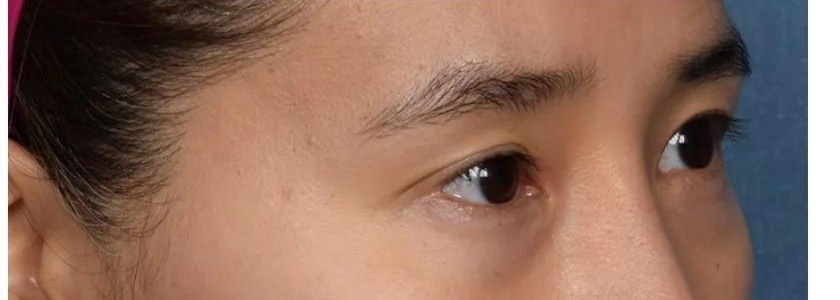
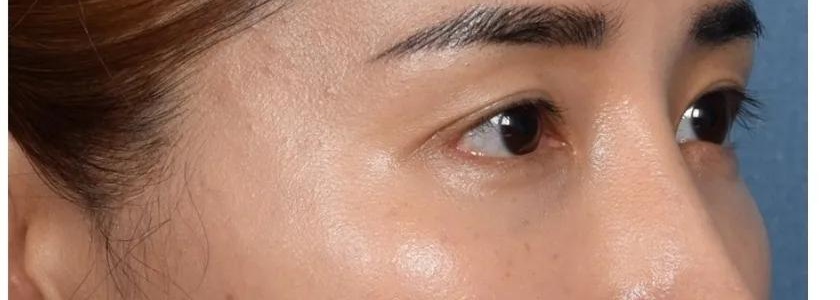
When you look straight ahead, the lower eyelid normally sits at or just slightly below the bottom edge of the iris, the colored part of the eye. In some people, a thin strip of white is visible between the iris and the lower lid. This is called inferior scleral show. It may be a natural trait you have had since childhood, a sign of age-related changes or a result of previous eyelid surgery. For a surgeon planning lower eyelid surgery, that strip of white is an important clue, because it says a great deal about how well the lower lid is supported and how it may behave after an operation.
This article explains what scleral show means, why it develops and how it influences the surgical plan.
What Is Normal Lower Lid Position?
In a typical young adult, the lower eyelid margin rests at the lower edge of the iris or covers it by about a millimeter.
- The outer corner of the eye usually sits slightly higher than the inner corner, giving a gentle upward tilt.
- When the lid sits lower than this, a crescent of white becomes visible below the iris.
- Surgeons often measure this as the distance from the center of the pupil to the lower lid margin, known as MRD2, and compare it with the other eye and with normal ranges.
A small amount of scleral show can be entirely natural, particularly in people with prominent eyes or certain facial structures. It becomes more significant when it is new, uneven between the eyes, increasing over time or accompanied by symptoms such as dryness and tearing.
Common Causes of Scleral Show
A strip of white below the iris usually comes from one of these causes:
- Inherited eye and cheek shape: prominent eyes or a flat midface give the lid less support from below
- Age-related lid laxity: stretched tendons and a softer tarsal plate let the lid sag, often rounding the outer corner first
- Previous lower eyelid surgery: scar tissue can pull the lid down (lower lid retraction)
- Medical conditions: thyroid eye disease, facial nerve weakness, trauma and some skin conditions
Why Scleral Show Matters Before Surgery
A visible strip of white suggests that the lower lid already has limited support. During healing after lower eyelid surgery, swelling, gravity and scar contraction all exert a downward pull. A lid that is already sitting low has less reserve to resist that pull, so the risk of further lowering, a rounded outer corner or exposure-related dryness is higher.
This does not mean surgery is not possible. It means the surgeon needs to choose techniques that protect or strengthen lid position rather than adding tension to it. Ignoring pre-existing scleral show is a common cause of disappointing results.
How Surgeons Assess It
The assessment usually includes:
- Measuring lid position in straight gaze and comparing both eyes
- Reviewing photos taken at rest
- Snap-back and distraction tests for lid laxity
- Eye prominence relative to the cheeks and the shape of the outer corner
- Questions about dry eye, contact lenses, previous eyelid or facial procedures and thyroid history
- Sometimes an eye examination to check tear function before surgery
How the Plan Changes
When scleral show is present, surgeons usually adapt the plan:
- Little or no skin removal from the lower lid
- A transconjunctival approach that leaves the outer skin and muscle intact
- Canthopexy or canthoplasty to tighten and lift the outer corner
- Midface volume through fat grafting or repositioning to help hold the lid up
- For significant retraction after previous surgery: scar release, a spacer graft and midface elevation, which need specific expertise and longer recovery
What to Expect After Surgery
Even with careful planning, the lower lid may sit slightly lower for a few weeks while swelling settles.
- Surgeons may recommend gentle massage, taping or eye lubricants during this period.
- The final lid position is usually clearer after about three months.
- If scleral show was present before surgery, it is important to discuss whether the goal is to improve it, maintain it or simply avoid making it worse.
When Scleral Show Is Mainly Cosmetic
Not everyone with a strip of white below the iris has a functional problem.
- Some people simply dislike the slightly surprised or tired look it creates.
- In these cases, the decision to treat it is a personal one.
- Surgeons may suggest midface volume, lid support or a combination, but they will also explain the trade-offs, including additional recovery and the possibility of temporary changes in the outer corner.
- For some patients, improving the under-eye contour while preserving the current lid position is a reasonable and safer goal.
Frequently Asked Questions
Is scleral show always a problem?
No. A small amount can be natural, but it signals that the lid needs careful handling during surgery.
Can surgery correct scleral show?
In many cases it can be improved with lid support and midface procedures, depending on the cause.
Why does my eye look rounder after eyelid surgery?
This may indicate that the outer lower lid has been pulled down. It should be assessed by the surgeon, as early support can sometimes help.
Planning a Consultation in Seoul
Look at your own photos in straight gaze and note whether you see white below the iris in one or both eyes. Mention this to the surgeon, along with any dryness or previous eye procedures. Ask how their plan protects or improves lid position, and what they would do if the lid sat lower during healing.



Transconjunctival vs Skin-Incision Lower Blepharoplasty When You Have Both Fat Bulges and Loose Skin