Why Do My Under-Eyes Look Hollow Even Though I Have Eye Bags?

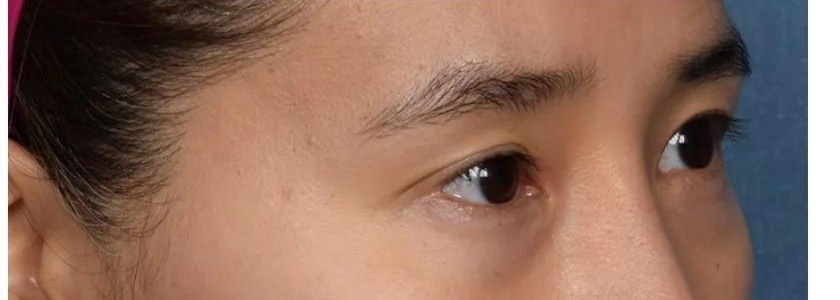
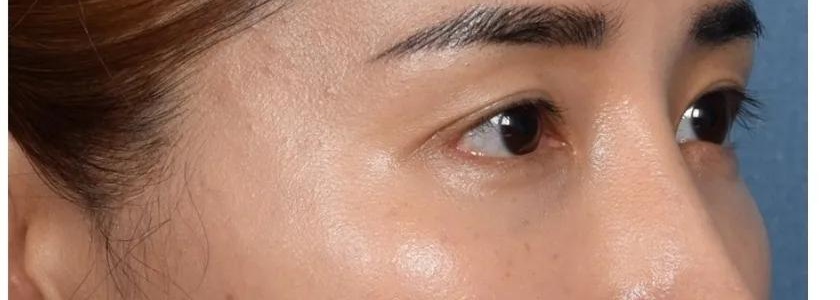
It can seem contradictory: you have visible bags under your eyes, yet the same area also looks hollow and sunken. Many people describe this as having "bags and dark hollows at the same time." Far from being unusual, this combination is one of the most common patterns surgeons see in the under-eye area. It happens because fullness and emptiness can sit right next to each other, and each one makes the other look more pronounced.
Understanding why both can exist together helps explain why simply removing the bag is not always the best solution, and why many modern techniques focus on redistributing volume rather than taking it away.
Bulge Above, Hollow Below
The under-eye region is divided into zones. Directly beneath the lower lashes is the eyelid itself, which contains orbital fat held back by a thin membrane called the septum. Below the eyelid, along the bony rim, is the tear trough on the inner side and the lid–cheek junction further out. Below that is the cheek.
As we age, the septum weakens and the orbital fat moves forward, creating a bulge in the upper zone.
- At the same time, the ligaments along the rim hold the skin tightly to the bone, so the area just below the bulge stays tethered and does not fill out.
- The cheek fat beneath may also thin and descend.
- The result is a bulge sitting on top of a groove, with a hollow cheek below.
- The more prominent the bag becomes, the deeper the hollow beneath it appears by contrast.
Why Some People Have Hollows Earlier
Hollows tend to appear earlier in people with:
- A relatively flat midface or deep-set orbital rim
- Thin skin
- A genetic tendency for fat pads to shift early
- Weight loss, intense exercise, smoking or sun damage that reduce soft tissue volume
The Problem with Simply Removing the Bag
Traditional lower blepharoplasty often focused on trimming the bulging fat.
- When the main issue is a bag alone, this can work well.
- But when a hollow sits beneath the bag, removing the fat flattens the upper zone without filling the lower one.
- The contour may become smoother in some areas but more hollow overall, giving a tired or skeletal look that can worsen with age. This is a common reason people seek revision surgery years after an older-style procedure.
Redistributing Volume Instead
Fat repositioning, sometimes called fat transposition or fat redistribution, is designed for exactly this pattern.
- Through an incision usually placed inside the lower eyelid, the surgeon releases the bulging fat while keeping it attached to its blood supply, then moves it down over the rim into the groove.
- The ligaments along the rim are carefully released so the fat can settle smoothly.
- The bag is reduced and the hollow is filled with the patient's own living tissue, creating a gentle, continuous slope from eyelid to cheek.
When the hollow extends further than the available fat can reach, surgeons may add fat grafting, in which small amounts of fat are taken from another area such as the thigh or abdomen and injected in tiny droplets into the hollow or cheek. Some patients also benefit from cheek volume restoration, which gives the lower lid better support and reduces the length of the visible groove.
Non-Surgical Options and Their Limits
Non-surgical options can help in some situations, but each has limits:
- Filler can soften mild hollows and reduce contrast with the bag
- With a significant bulge, filler only camouflages the problem and can make the area look heavier
- Tear-trough filler carries risks of swelling, bluish tint and irregularity
- Skin treatments improve texture and tone but do not address volume shifts
What a Surgeon Looks for During Assessment
The plan depends on a combination of factors the surgeon will check:
- The size of each fat compartment
- The depth and length of the groove
- Cheek volume and support
- Skin thickness and elasticity
- Lower lid support
- How the area changes when you look up, smile or tilt your head
- Photos from different angles to show how light falls across the contour
When More Than One Step Is Needed
Some patients achieve a smooth contour with fat repositioning alone.
- Others, particularly those with long grooves, flat cheeks or significant volume loss, need a combination of approaches.
- A surgeon may reposition the fat during the eyelid procedure and add fat grafting to the cheek at the same time, or recommend a small touch-up with fat or filler several months later once the final contour is clear.
- Planning for this possibility in advance helps avoid disappointment if a subtle hollow remains after the initial healing period.
Recovery and Results
After fat repositioning, swelling and bruising usually settle significantly within two weeks, though subtle swelling may continue for a few months.
- The groove may look temporarily overfilled at first and then gradually soften.
- Most people can see a fairly stable result by about three months.
- Because the procedure works with the patient's own tissue, results tend to age naturally, though the face will continue to change over time.
Frequently Asked Questions
Is it possible to have both bags and hollows?
Yes. In fact, it is one of the most common under-eye patterns, and the two features often make each other look worse.
Will fat repositioning make me look puffy?
Early swelling can look full, but once healed, the goal is a smooth transition rather than added puffiness.
Can I just use filler instead?
Filler can help mild hollows, but it does not reduce a true bulge and may add heaviness if overused.
Planning a Consultation in Seoul
Ask the surgeon to explain where your bag ends and your hollow begins, and whether they would remove fat, reposition it or combine techniques. If you have had filler, mention it, as it can affect both the assessment and the surgery. A plan that preserves and redistributes volume is usually more natural for this combination than one that only takes tissue away.

Transconjunctival vs Skin-Incision Lower Blepharoplasty When You Have Both Fat Bulges and Loose Skin