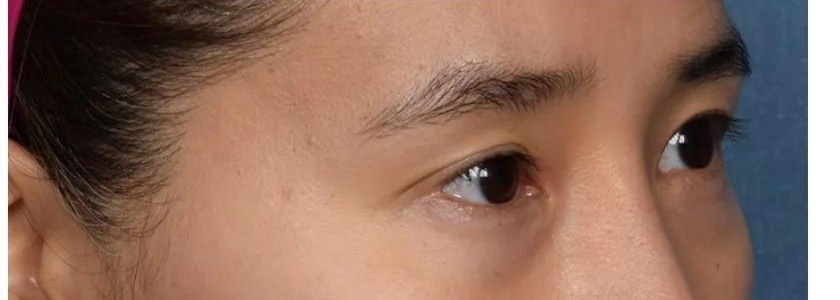
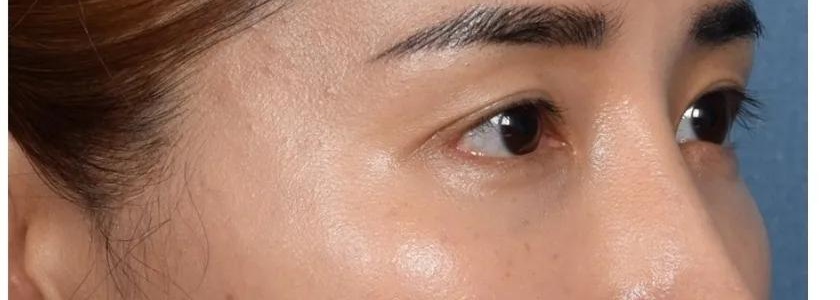
How Do Surgeons Evaluate Under-Eye Swelling That Changes Throughout the Day?

Many people notice that their under-eyes look noticeably puffier when they wake up, then gradually improve as the day goes on. By the afternoon, the same area may look almost normal. Others find their swelling worsens after a salty dinner, a glass of wine or a long flight. This pattern of fluctuating puffiness is common, and it tells a surgeon something important: at least part of the problem is fluid, not just fat. Distinguishing fluid-related swelling from fixed eye bags is essential, because they respond to very different treatments, and surgery designed for fat can disappoint if fluid is the main issue.
This article explains why under-eye swelling varies, how surgeons evaluate it and what options make sense for each cause.
Why the Under-Eye Area Holds Fluid
The tissue around the eyes is loose and thin, with little structural resistance.
- When you lie flat during sleep, fluid redistributes toward the head and settles in these soft areas.
- During the day, being upright and blinking help the lymphatic system drain the fluid away, so the swelling gradually decreases.
- Anything that increases fluid retention or slows drainage can make this cycle more pronounced.
In addition, ligaments along the bony rim of the eye socket can act as a barrier, slowing the movement of fluid from the lower lid into the cheek. In some people, this creates a pocket where fluid collects, particularly over the upper cheek, forming what is known as a malar mound or festoon.
Common Causes of Fluctuating Swelling
Fluctuating puffiness usually has one or more of these triggers:
- Diet and lifestyle: high salt, alcohol, dehydration and poor sleep
- Allergies and sinus congestion: leaky blood vessels and impaired drainage around the eyes
- Hormonal changes: certain points in the menstrual cycle and pregnancy
- Old filler: hyaluronic acid attracts water, even years after injection
- Medical conditions: thyroid, kidney or heart problems and some medications; swelling that affects other areas should be checked by a doctor
How Fluid Swelling Differs from Fat
Fat bags caused by orbital fat moving forward tend to be relatively constant throughout the day.
- They may look a little worse in the morning, but they do not disappear. They usually become more prominent when you look upward.
- Fluid swelling, by contrast, varies significantly, is often softer and more diffuse, and may extend down onto the cheek. It can also look worse on one side if you sleep on that side.
- Many people have both, with a fixed fat bag and a fluid component that comes and goes.
How Surgeons Evaluate Changing Swelling
A careful evaluation usually includes:
- Questions about when swelling is worst and what makes it better or worse
- Photos at different times of day over a week or two
- Questions about allergies, sleep, diet, alcohol, hormonal patterns and previous filler
- Examination of fat compartments, swelling texture, malar mounds and lower lid tone
- Ultrasound if filler is suspected, and blood tests or referral if a medical cause seems possible
Treatment Options
Treatment depends on how much is fluid and how much is fat:
- Address triggers first: reduce salt and alcohol, stay hydrated, elevate the head, treat allergies and sinus problems
- Cool compresses in the morning
- Dissolve old filler with hyaluronidase if it is contributing
- Lower blepharoplasty for a fixed fat bag, after optimizing fluid triggers so the true fat component can be judged
- Cheek-focused approaches for malar mounds rather than eyelid surgery
Why This Matters Before Surgery
If surgery is planned based on a morning photo, the surgeon may overestimate the fat and remove too much, leaving a hollow appearance later in the day. Conversely, if fluid is ignored, a patient may still see morning puffiness after surgery and believe it failed. Understanding the pattern allows a more accurate plan and more realistic expectations.
Managing Swelling During Recovery
People who tend to retain fluid around the eyes often notice that post-surgical swelling lasts a little longer than average.
- This is not a sign that something has gone wrong; it reflects the same drainage pattern that caused the fluctuating puffiness in the first place.
- Sleeping with the head elevated on two pillows, applying cold compresses in the first two or three days, limiting salt and alcohol, and staying gently active with walking all help the lymphatic system clear fluid more efficiently.
Some surgeons recommend light lymphatic massage once the incisions have healed, usually from the second or third week, to encourage drainage toward the outer face.
- It is important to follow your surgeon's guidance on when and how to start, because pressing too early or too firmly can irritate healing tissue.
- Over several months, most patients find that the daily cycle of puffiness becomes milder as the area settles.
Frequently Asked Questions
Why are my eye bags worse in the morning?
Fluid settles in the under-eye area when you lie flat, then drains during the day.
Will surgery stop morning puffiness?
It can reduce fat bags, but fluid-related puffiness may continue.
Can old filler cause daily swelling?
Yes. Hyaluronic acid attracts water and can cause puffiness years after injection.
Planning a Consultation in Seoul
Take photos of your under-eyes in the morning and evening on several days, and note anything that seems to trigger swelling. Share any history of filler, allergies or medical conditions. Ask the surgeon how much of your concern they believe is fat versus fluid, and how they would address each part.



Transconjunctival vs Skin-Incision Lower Blepharoplasty When You Have Both Fat Bulges and Loose Skin