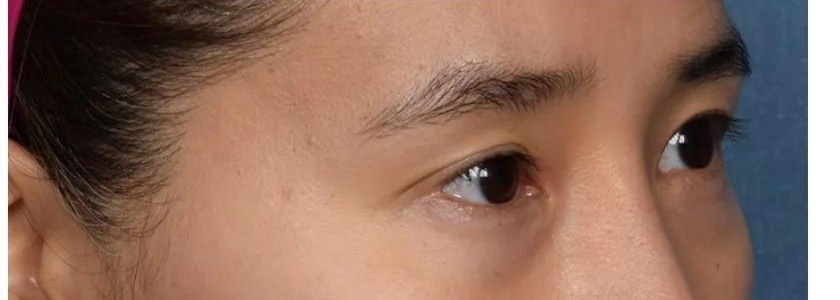
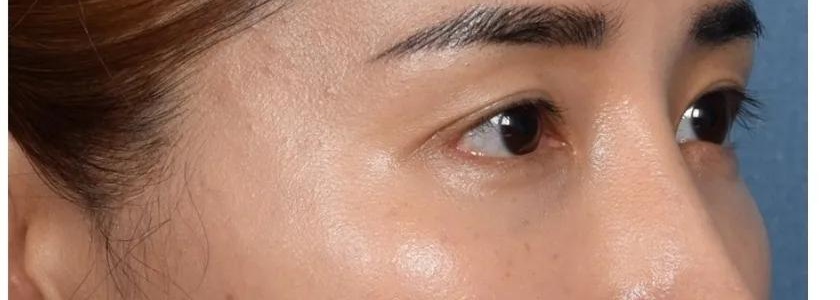
Why Do I See Fine Lines Below My Lashes Only When I Smile?

Some people look at their under-eyes in a relaxed photo and see smooth skin, yet as soon as they smile, a fan of fine lines appears just below the lashes. These lines can make the eyes look more tired or older than the rest of the face, especially in close-up photos and video calls. Because they vanish when the face relaxes, it can be confusing to know whether they are a skin problem, a muscle problem or simply a normal part of expression. In reality, they are usually a combination of all three, and understanding that combination is the key to choosing a sensible treatment.
This article explains why fine lines appear below the lashes when you smile, what influences how visible they are and which treatments tend to help.
Dynamic Lines Versus Static Lines
Wrinkles fall into two broad categories. Dynamic lines appear only when muscles contract, such as during smiling, squinting or laughing. Static lines remain visible even when the face is at rest. Lines that show only when you smile are dynamic. They are created by the orbicularis oculi muscle folding the thin skin above it as it contracts.
Over many years of repeated movement, combined with natural aging and sun exposure, dynamic lines can gradually become static. This is why treating them earlier, when they appear only with expression, can sometimes delay the development of permanent lines.
Why the Lower Lid Is So Prone to Fine Lines
Several factors make this area especially prone to lines:
- Very thin skin with few oil glands and less collagen and elastin
- Constant muscle activity from blinking, smiling, squinting and laughing
- Cheek elevation that compresses the lower lid tissue when you smile
- Sun damage, smoking, dehydration and poor sleep that weaken skin quality over time
Lines Versus Crepiness
Some people notice a different pattern: very fine, crinkled texture across the whole lower lid that looks like tissue paper, even at rest.
- This is often called crepey skin and reflects thinning of the dermis rather than muscle folding alone.
- Crepiness may become more noticeable with smiling, but it is primarily a skin quality issue.
- Distinguishing crepiness from expression lines helps determine whether treatment should focus on the skin, the muscle or both.
How a Practitioner Evaluates These Lines
A practitioner will typically:
- Look at the lower lid at rest, with a gentle smile and with a broad smile
- Count how many lines appear, how deep they are and whether any remain at rest
- Assess skin thickness, texture, pigmentation and elasticity
- Check for eye bags, hollows or lid laxity that change how lines form
- Use a pinch test to separate true excess skin from thin, crepey skin
Treatment Options
The main options, often combined, are:
- Neuromodulators: soften crow's feet and some lower lid lines; must be conservative directly under the lashes
- Skin resurfacing: fractional lasers, peels and microneedling improve fine lines and crepiness over a series of sessions
- Skin boosters: may improve hydration and fine texture, used carefully to avoid swelling
- Topical skincare: daily sunscreen, gentle eye-area retinoids and barrier-supporting moisturizers
- Surgery: not usually the first choice; a skin pinch helps only when there is genuine excess skin
Prevention and Daily Habits
Because fine lines develop gradually, daily habits have a meaningful effect over time.
- Wearing broad-spectrum sunscreen every day, including around the eyes, is the single most effective step, since ultraviolet light continually breaks down the collagen that keeps skin resilient.
- Sunglasses reduce squinting as well as sun exposure.
- Avoiding rubbing the eyes, removing makeup gently and treating allergies that cause itching all protect the delicate skin from repeated stress.
Good sleep, hydration and not smoking support skin repair. A gentle eye cream with retinoid or peptide ingredients, introduced slowly to avoid irritation, can help maintain texture. None of these habits will erase existing lines on their own, but they can make treatments last longer and slow the shift from dynamic lines to permanent ones.
What Is Realistic?
Some fine lines when smiling are a normal and even attractive part of expression. Many people with youthful faces show small lines under the eyes during a genuine smile. Treatment can soften lines and improve skin quality, but aiming for completely smooth skin in every expression may create an unnatural, stiff look.
Frequently Asked Questions
Are smile lines under the eyes a sign of aging?
Not necessarily. They are common at any age, though they may become more persistent over time.
Can Botox remove lines under my eyes?
It can soften them, but treatment directly under the lashes must be conservative.
Will eye bag surgery remove fine lines?
It addresses fat bags, not dynamic lines from muscle movement.
Planning a Consultation in Seoul
Bring photos of your eyes at rest and while smiling, and explain which lines bother you most. Ask whether your concern is mainly skin quality, muscle movement or excess skin, and which combination of treatments the practitioner recommends for your skin type and lifestyle.



Transconjunctival vs Skin-Incision Lower Blepharoplasty When You Have Both Fat Bulges and Loose Skin