Skin Pinch vs Laser Resurfacing for Fine Wrinkles Under the Eyes

Fine wrinkles under the eyes are one of the earliest signs of aging that people notice, and they can be surprisingly difficult to treat. Two options often come up in consultations: a surgical skin pinch, which removes a small strip of excess skin, and laser resurfacing, which improves the quality of the skin itself. Both can make the lower eyelid look smoother, but they address different problems. A skin pinch shortens skin that is genuinely redundant, while laser resurfacing tightens and rebuilds skin that is thin, crepey or sun-damaged. Choosing the right option depends on which of these is the main cause of your wrinkles.
This article compares the two treatments, explaining how they work, who they suit and what results and recovery to expect.
Understanding the Cause of Under-Eye Wrinkles
Under-eye wrinkles generally come from three sources.
- The first is genuine skin excess, where the skin has stretched over time and now forms folds when the eye is relaxed.
- The second is poor skin quality, in which the skin is thin, dry and has lost collagen and elastin, creating fine crepey texture.
- The third is muscle movement, which creates dynamic lines when you smile or squint.
- Most people have a combination, and the balance between these causes determines which treatment is most effective.
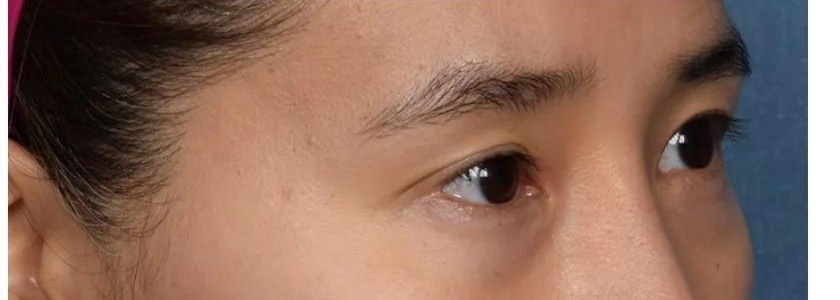
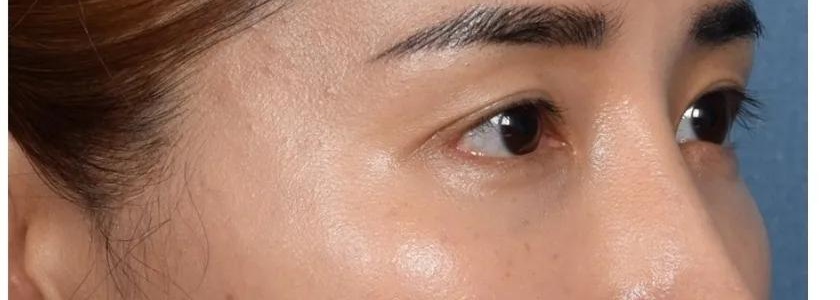
A simple way to distinguish them is the pinch test. While looking upward with your mouth open, the lower lid skin is stretched to its maximum. If there is still a fold of skin that can be pinched, true excess is present. If the skin is taut but still shows fine crinkling, the issue is skin quality rather than length.
How a Skin Pinch Works
A skin pinch is a minor surgical procedure.
- The surgeon gently pinches a small horizontal strip of excess skin just below the lashes, marks it and removes it with fine scissors.
- The edges are closed with tiny stitches or skin glue.
- The underlying orbicularis muscle is left intact, which preserves lid support and the natural roll under the lashes.
- The scar lies just under the lash line and usually becomes very difficult to see.
A skin pinch is often combined with transconjunctival blepharoplasty for patients who also have fat bulges. On its own, it is used for mild to moderate skin excess without significant fat.
How Laser Resurfacing Works
Laser resurfacing uses controlled energy to create microscopic injuries in the skin.
- As the skin heals, it produces new collagen and elastin, becoming thicker, smoother and tighter.
- Fractional lasers treat columns of skin while leaving the surrounding tissue intact, which speeds healing.
- Common options include fractional CO2 lasers, which are more powerful and provide greater tightening, and erbium lasers, which are gentler with shorter recovery.
Laser resurfacing improves fine wrinkles, crepey texture and some pigment irregularities. It produces modest tightening but does not remove significant excess skin.
Comparing Results
The two treatments improve different things:
- Skin pinch: removes visible folds of loose skin with an immediate change in contour, but texture and crepiness remain
- Laser resurfacing: gradually improves texture, tone and fine lines over several months as collagen rebuilds
- Laser will not remove a substantial fold of skin
- Patients with both excess skin and poor quality often get the most complete improvement by combining the two
Comparing Recovery
After a skin pinch, mild swelling and bruising usually settle within one to two weeks, and stitches are removed after about five to seven days.
- Recovery after laser resurfacing depends on intensity. Gentle erbium treatments may cause redness and flaking for several days, while stronger fractional CO2 treatments can lead to redness, swelling and crusting for a week or more, with pinkness persisting for several weeks.
- Sun protection is essential after laser treatment.
Comparing Risks
Each option carries its own main risks:
- Skin pinch: removing too much skin can pull the lower lid down and change the eye shape, which careful assessment of lid support helps prevent
- Laser: prolonged redness, infection and pigment changes
- Medium to darker skin tones are more prone to post-inflammatory hyperpigmentation, so settings and pre-treatment skincare need adjusting
Who Suits Each Option
As a general guide:
- Skin pinch: a clear fold of excess skin, good lid support and relatively healthy skin
- Laser resurfacing: crepey, thin or sun-damaged skin with minimal true excess
- Combination: both features, in one session or staged over several months
- Significant lid laxity: may need a different plan altogether, including lid support
Combining the Two Treatments
When combined, the skin pinch removes the excess while laser resurfacing improves the quality of the remaining skin. Some surgeons perform both in the same session, while others prefer to resurface after the incision has healed. Combining allows each treatment to be more conservative, reducing the risk of lid malposition from excessive skin removal while still achieving visible smoothing.
Frequently Asked Questions
Can laser replace a skin pinch?
Not when there is a clear fold of excess skin. Laser improves texture but does not remove significant laxity.
Is laser safe for Asian skin under the eyes?
It can be, with conservative settings and careful aftercare to reduce pigmentation risk.
Will a skin pinch remove smile lines?
No. Dynamic lines from muscle movement usually remain after a skin pinch.
Planning a Consultation in Seoul
Ask the practitioner to perform a pinch test and explain whether your wrinkles come from excess skin, poor skin quality or muscle movement. Discuss your skin type, sun exposure and how much downtime you can accept, and ask whether a combined or staged approach would suit your goals.


Transconjunctival vs Skin-Incision Lower Blepharoplasty When You Have Both Fat Bulges and Loose Skin