Fat Repositioning Alone vs Fat Repositioning With Micro-Fat Grafting for Deep Under-Eye Hollows
Fat repositioning has become a popular way to treat eye bags that sit above a groove, because it uses the bulging fat to fill the hollow rather than discarding it. For many people, this single step creates a smooth transition from eyelid to cheek. But some patients have hollows that are deeper, longer or more widespread than the available fat can fill. For them, surgeons may suggest adding micro-fat grafting, in which tiny amounts of fat taken from elsewhere in the body are injected to supplement the repositioned fat. Deciding whether this extra step is worthwhile depends on the depth of the hollow, the amount of fat available and how the cheek supports the lower eyelid.
This article compares fat repositioning alone with fat repositioning plus micro-fat grafting, explaining when each is used and what to expect.
How Fat Repositioning Works
During fat repositioning, the surgeon accesses the orbital fat, usually through an incision on the inside of the lower eyelid.
- The bulging fat is released and moved downward over the bony rim of the eye socket, where it is secured into the groove.
- The ligaments that tether the groove are often partly released so the fat can lie smoothly.
- The result is a reduced bulge and a filled groove, using the patient's own living tissue with its blood supply intact.
This works well when the amount of bulging fat roughly matches the depth and length of the groove. In such cases, repositioning alone can create a natural, lasting result.
When the Hollow Is Too Deep for Repositioning Alone
Some hollows extend beyond the reach of repositioned fat.
- A groove may run far toward the outer cheek, or the cheek itself may have lost volume, making the lower eyelid look longer and the area beneath it sunken.
- In people with thin faces, those who have lost significant weight or those with a naturally flat midface, the bulging fat may be relatively small compared with the size of the hollow.
- Repositioning in these cases can soften the junction but may leave residual hollowness, especially toward the cheek.
What Micro-Fat Grafting Adds
Micro-fat grafting involves harvesting fat, usually from the abdomen or thighs, through small cannulas.
- The fat is processed to remove fluid and damaged cells, then injected in tiny droplets into the target area.
- In the under-eye and cheek region, very fine fat particles are used to reduce the risk of lumps.
- The grafted fat adds volume beyond what repositioned fat can supply, extending the correction into the cheek and improving support for the lower eyelid.
Some surgeons also use nanofat, a more finely processed form, to improve skin quality and soften fine texture or discoloration. This adds little volume but may enhance overall skin appearance.
Comparing the Two Approaches
The key differences come down to four areas:
- Volume and coverage: repositioning is limited by available orbital fat, while grafting can treat a larger area and extended hollows
- Predictability: repositioned fat keeps its blood supply and behaves predictably; grafted fat is partly reabsorbed and may need a second session
- Recovery: grafting adds a donor site that may be sore for a week or two, and swelling under the eyes and on the cheeks lasts longer
- Risks: both can cause small irregularities; grafting adds lumps, uneven absorption and, rarely, overcorrection
Who Benefits Most from Combining Them
The combination often suits patients with:
- Deep or long tear troughs
- Noticeable cheek volume loss
- A negative orbital vector
- Hollowness from previous fat removal
- A wish to improve the cheek as well as the lower eyelid
- For modest bags and shallow grooves, repositioning alone is usually sufficient
How Surgeons Decide
The decision usually rests on:
- The size of each fat compartment
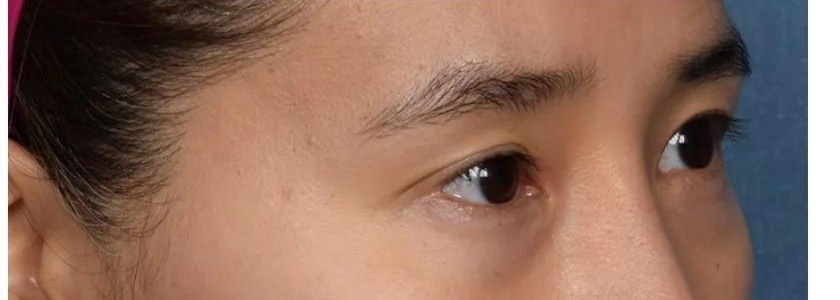
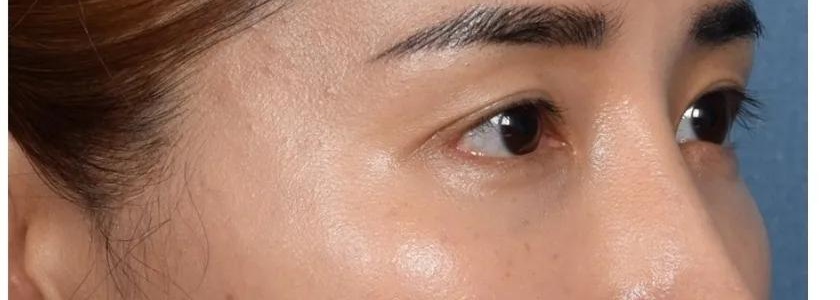
- The depth and length of the groove, shown well in side and three-quarter photos
- Cheek projection and skin quality
- Available donor fat, since very lean patients may have little
- Your goals, recovery time and willingness to have possible touch-ups
Long-Term Results
Repositioned fat generally remains stable, aging naturally with the face. Grafted fat that survives the first few months tends to persist long term and behaves like the patient's own tissue, which means it can change slightly with significant weight gain or loss. Both approaches aim to create a smooth, natural transition that remains attractive as the face matures.
Preparing for a Combined Procedure
If fat grafting is planned, the surgeon will discuss the donor site in advance and may mark it on the day of surgery.
- Patients are usually advised to keep their weight stable before and after the procedure, since grafted fat behaves like fat elsewhere in the body.
- Smoking should be avoided, as it reduces blood flow and can lower fat survival.
- Arranging enough recovery time is also important, because swelling in the cheeks after grafting can take longer to settle than swelling after repositioning alone.
Frequently Asked Questions
How much grafted fat survives?
It varies, but a portion is typically reabsorbed over the first few months.
Is micro-fat grafting painful?
The donor area may feel sore and bruised for a week or two, but discomfort is usually manageable.
Can I add fat grafting later if needed?
Yes. Some patients choose repositioning first and add grafting later if hollowness remains.
Planning a Consultation in Seoul
Ask the surgeon how far your hollow extends and whether repositioned fat alone can reach it. If grafting is suggested, ask where fat would be taken from, how much they expect to survive and whether a second session might be needed. Clear expectations help you choose the approach that fits your goals and schedule.

Transconjunctival vs Skin-Incision Lower Blepharoplasty When You Have Both Fat Bulges and Loose Skin