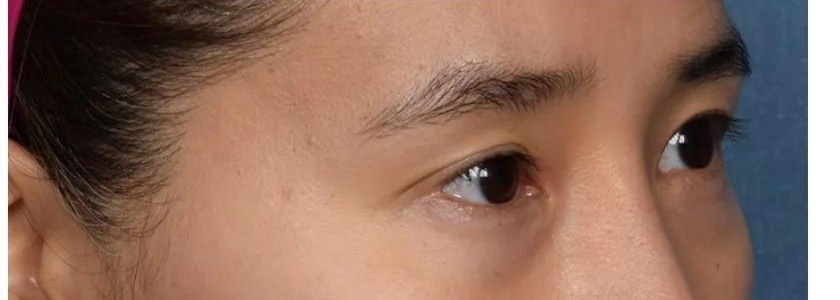
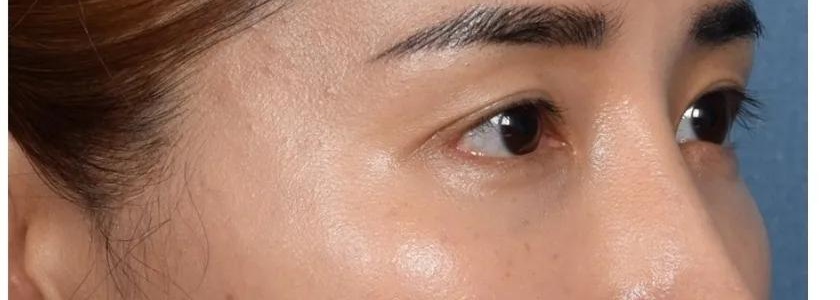
Tear-Trough Filler vs Cheek Filler When the Hollow Extends Toward the Cheekbone

Under-eye hollows rarely stop neatly at the tear trough. In many people, the groove continues outward and downward along the lid–cheek junction, eventually blending into a flatter area over the cheekbone. When this happens, the question becomes where to place filler for the most natural result. Should it go directly into the tear trough, or would adding volume to the cheek do more to soften the hollow? The answer depends on how the hollow is shaped, how much cheek support you have and the quality of the skin under your eyes.
This article compares tear-trough filler and cheek filler for hollows that extend toward the cheekbone, explaining how each works, when each is preferred and why combining them is often the best approach.
Understanding the Shape of the Hollow
The tear trough is the groove that runs from the inner corner of the eye downward and outward.
- Further out, the same line continues as the lid–cheek junction, which follows the bony rim of the eye socket toward the cheekbone.
- Beneath this line lies the cheek, made up of fat compartments that sit both just under the skin and deeper near the bone.
- When the cheek loses volume or sits further back, the junction becomes longer and more visible, and the hollow appears to extend from the inner corner to the outer cheek.
Looking at the hollow from the front, side and three-quarter views helps show whether the main issue is a short, deep groove near the nose, a long junction across the lower lid or a general flattening of the cheek.
How Tear-Trough Filler Works
Tear-trough filler is placed directly along the groove, usually deep near the bone, to lift the depressed area and soften the shadow. Soft, low-swelling hyaluronic acid products are commonly used. When done well, tear-trough filler can produce a noticeable improvement in a short, well-defined groove near the inner corner.
However, the skin under the eye is thin and the area is prone to swelling. Placing too much filler, or placing it too superficially, can cause puffiness, lumps or a bluish tint. Tear-trough filler also does not address cheek volume, so a long hollow may still look incomplete even after the inner part is corrected.
How Cheek Filler Works
Cheek filler is placed deeper, usually on the bone along the cheekbone or in the deep fat compartments of the midface. By restoring projection and support beneath the lower eyelid, it shortens the visible lid–cheek junction and lifts the soft tissue upward. This often softens the outer part of the hollow and can make the tear trough appear shallower, even without injecting directly into it.
Cheek filler is generally considered more forgiving than tear-trough filler because the skin and soft tissue over the cheek are thicker. Firmer products can be used to provide structure, and swelling tends to be less visible.
When Tear-Trough Filler Is Preferred
Tear-trough filler alone may be appropriate when:
- The hollow is short and mainly near the inner corner
- The cheek has good volume and projection
- The patient is younger with an inherited tear trough but no significant midface flattening
When Cheek Filler Is Preferred
Cheek filler is often the better first step when:
- The hollow extends along the lid–cheek junction
- The midface is flat or has descended
- The patient has a negative orbital vector
- Supporting the cheek may reduce or even remove the need for tear-trough filler
Combining Both Approaches
Many practitioners begin with the cheek, assessing how much the hollow improves before deciding whether to treat the tear trough. If a small groove remains near the inner corner, a conservative amount of tear-trough filler can be added. This staged approach often requires less filler overall in the tear trough, which reduces the risk of swelling and irregularities while achieving a smoother, more balanced result.
Risks and Safety
Key safety points to discuss with your injector:
- All fillers can cause bruising, swelling, lumps and asymmetry, which are more noticeable under thin under-eye skin
- Injection into a blood vessel is rare but serious, and can cause skin damage or, in extremely rare cases, vision problems
- An experienced injector with careful technique is essential
- Hyaluronic acid fillers can be dissolved with hyaluronidase if needed
How Long Results Last
Cheek filler typically lasts around one to two years, depending on the product and individual metabolism. Tear-trough filler may last longer due to less movement in the area, sometimes several years. Because filler can persist under the eyes, it is important to avoid repeated top-ups that gradually accumulate and cause puffiness.
What to Expect After Treatment
Most people see an immediate change after filler, although mild swelling and occasional bruising can last a few days.
- The under-eye area may look slightly fuller at first and then settle over one to two weeks.
- Practitioners often recommend reviewing the result after about two weeks before adding more product, because swelling can disguise how much correction has been achieved.
- Avoiding alcohol, intense exercise and heavy massage for a day or two helps reduce swelling.
When Surgery May Be Better
If the hollow sits beneath a significant eye bag, filler may only camouflage the problem. Surgical fat repositioning or fat grafting may provide a more lasting and natural solution. For patients with substantial midface descent, a midface lift may also be considered.
Frequently Asked Questions
Can cheek filler fix under-eye hollows?
It can soften hollows that extend toward the cheek by improving support beneath the lower eyelid.
Is tear-trough filler risky?
It carries specific risks such as swelling and bluish tint, so careful technique and conservative volumes are important.
Which should I try first?
When the hollow extends toward the cheekbone, many practitioners start with the cheek.
Planning a Consultation in Seoul
Ask the practitioner to show you how far your hollow extends and whether they would treat the cheek, the tear trough or both. Discuss the products they would use, how much filler they would place and how they would handle any swelling or irregularity. If you have had filler before, mention it, as previous product can affect both the plan and the result.


Transconjunctival vs Skin-Incision Lower Blepharoplasty When You Have Both Fat Bulges and Loose Skin