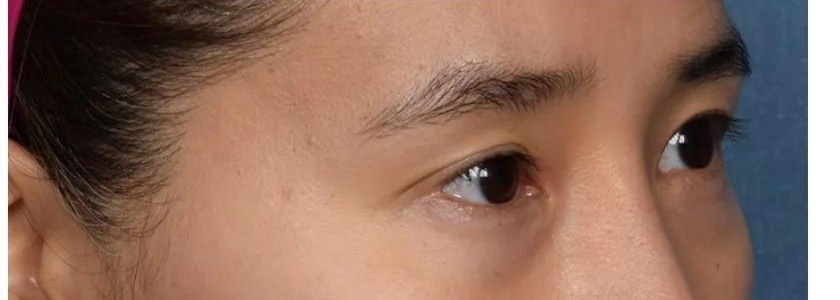
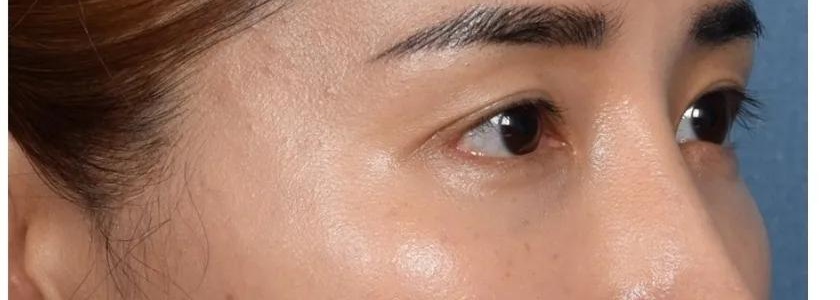
Can Old Tear-Trough Filler Change the Plan for Lower Eyelid Surgery?

Tear-trough filler has become one of the most popular ways to soften under-eye hollows without surgery. Many people who later consider lower eyelid surgery have had filler at some point, sometimes several times over many years. A common question is whether that old filler matters. The short answer is yes, it often does. Even filler injected long ago can remain in the tissue, change how the area looks and affect how a surgeon plans and performs the operation.
This article explains why old filler is relevant, how it can affect the assessment and the surgery, and what steps are usually taken when filler is present.
Filler Can Last Longer Than Expected
Hyaluronic acid fillers are often described as lasting six to eighteen months.
- In areas with little movement, such as the tear trough, they can persist far longer.
- Imaging studies and surgical findings have shown hyaluronic acid filler still present several years after injection in some patients.
- The product may become less visible over time, but it can remain as a soft, gel-like layer or be spread across a wider area than originally intended.
Non-hyaluronic fillers, such as calcium hydroxylapatite, poly-L-lactic acid or permanent products, behave differently. They cannot be dissolved with enzymes, and some create scar-like tissue around them. If you are unsure which product was used, it is worth trying to find out from previous records.
How Old Filler Can Affect Your Appearance
Residual filler can change the under-eye area in several ways:
- Persistent puffiness: hyaluronic acid attracts water, so superficial or larger amounts can cause swelling that worsens in the morning or after salty meals, mimicking eye bags
- Bluish tint: filler placed too close to the surface can scatter light (the Tyndall effect)
- Lumps and irregularities: filler can migrate slightly or collect into small lumps over time
- Masked anatomy: filler can hide the true shape of the bag, groove and cheek, making assessment harder
How Filler Affects the Surgery Itself
During lower blepharoplasty, especially when fat is repositioned into the groove, the surgeon works in specific tissue layers.
- Residual filler can blur these layers, making dissection less precise. It can also be found mixed into the fat or along the ligaments that the surgeon may need to release.
- In some cases the filler has triggered mild inflammation or fibrosis, which makes the tissue stiffer and more prone to bleeding or prolonged swelling.
Old filler can also make it harder to predict the final contour. If filler remains after surgery, it may combine with the repositioned fat to create excess fullness or irregularities once swelling settles.
Dissolving Filler Before Surgery
When hyaluronic acid filler is present, many surgeons recommend dissolving it with hyaluronidase before lower eyelid surgery:
- It reveals the true underlying anatomy
- It reduces unpredictability during the operation
- It lowers the chance of filler-related swelling afterward
- Many surgeons wait at least two to four weeks after dissolving before operating
- Some patients find dissolving alone improves puffiness enough to reconsider surgery
- Allergic reactions are possible, so a small test dose may be used; mention any bee sting allergy
What If the Filler Is Not Hyaluronic Acid?
Non-dissolvable fillers require more careful planning. The surgeon may need to remove some of the product surgically during the operation or adjust the technique to work around it. In certain cases, imaging such as ultrasound can help map where the filler sits before surgery. This is one reason why an accurate record of previous injections is so valuable.
Signs That Old Filler May Be Present
Filler may still be present if you notice:
- Morning puffiness that improves during the day
- A bluish tint under the eyes
- Firm or rubbery areas when pressing gently
- Swelling that worsens with salt or alcohol
- Ultrasound by an experienced practitioner can often detect deposits that are not visible on the surface
How Filler History Shapes the Surgical Plan
Once the filler question is settled, the surgeon can choose the technique with more confidence.
- If dissolving reveals mainly protruding fat with a moderate groove, transconjunctival fat repositioning is often suitable.
- If years of filler have stretched the overlying skin, a small skin excision may be added.
- Where filler has caused fibrosis along the tear trough ligament, the surgeon may plan a more careful release and warn you that swelling could last longer than usual.
- Some surgeons also stage treatment, dissolving first, reassessing at a follow-up visit and only then finalizing the surgical plan.
This staged approach can feel slower, especially for international patients with limited time in Seoul.
- However, it reduces the chance of an unexpected result caused by product that was hidden at the first examination.
- If your schedule is tight, discuss whether dissolving can be done on an earlier visit or arranged closer to home with a qualified practitioner before you travel.
Frequently Asked Questions
I had filler five years ago. Does it still matter?
It might. Filler in the under-eye area can persist for years, so it is important to mention it even if you believe it has fully disappeared.
Will dissolving filler make my under-eyes look worse?
Temporarily, the hollow may look deeper once filler is removed. This reveals the true starting point that surgery will address.
Can I have filler again after surgery?
Small touch-ups are sometimes used after full healing, usually at least three to six months later, if a minor hollow remains.
Planning a Consultation in Seoul
Before your consultation, gather any details you can about previous injections: the product name, date, amount and who performed them. Be honest even if the filler was minor or long ago. Ask the surgeon whether they recommend dissolving before surgery, how long they prefer to wait afterward and how residual filler might change your recovery and final result.



Transconjunctival vs Skin-Incision Lower Blepharoplasty When You Have Both Fat Bulges and Loose Skin