How Do Surgeons Assess Blue or Purple Under-Eye Discoloration?

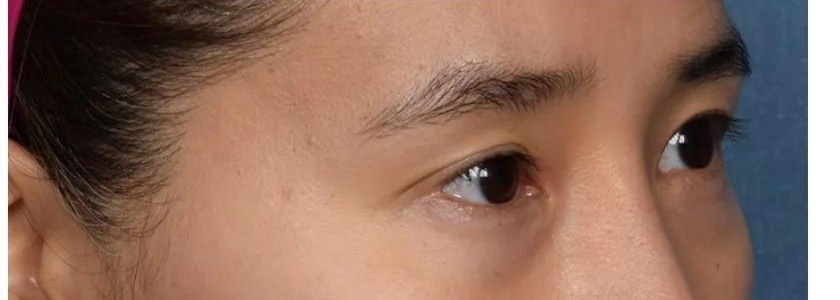
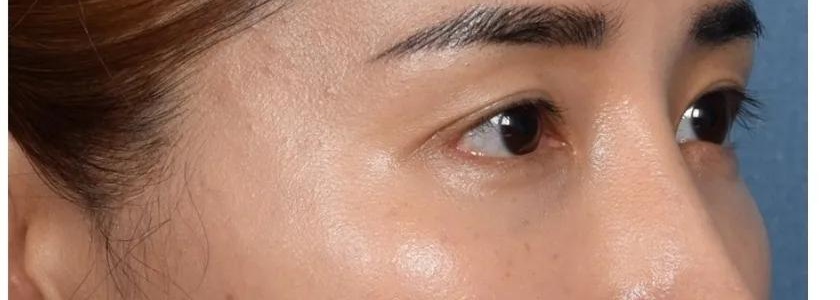
Under-eye darkness comes in different shades, and the color itself carries useful information. A brown tone usually points to pigment, a grey shadow to contour, and a blue or purple tint to something happening beneath very thin skin. Blue or purple discoloration is often the most persistent type and the most misunderstood, because it does not respond to the same treatments as pigment or hollowness. When you consult a surgeon about under-eye concerns, part of their job is to work out how much of your darkness comes from this vascular component and what can realistically be done about it.
This article explains where blue and purple tones come from, how surgeons evaluate them and which treatments are likely to help.
Where Blue and Purple Tones Come From
The skin of the lower eyelid is among the thinnest on the body, often less than half a millimeter thick.
- Directly under it lies the orbicularis oculi muscle, which is dark red and richly supplied with blood, along with a network of small veins.
- In people with very thin or translucent skin, the color of this muscle and these vessels shows through as a bluish, violet or purplish tint.
- The effect is similar to the way veins appear blue on the inside of the wrist.
Several factors make the tint more visible.
- Genetics play a strong role, and vascular darkness often runs in families.
- Fair skin shows vessels more clearly, though the tint can appear in any skin tone.
- Lack of sleep, nasal congestion, allergies and dehydration can increase blood pooling in the area.
- Aging thins the skin further and reduces the fat cushion beneath it, so the muscle and vessels sit closer to the surface.
How It Differs from Other Types of Darkness
Under-eye darkness usually falls into three types, and many people have a mix:
- Pigmented darkness: brown, caused by extra melanin, often extends onto the upper lid and is common in medium and darker skin
- Structural darkness: a shadow created by a bag, groove or hollow, which changes with lighting
- Vascular darkness: blue, violet or reddish, most visible at the inner corner and often worse when tired or unwell
How Surgeons Assess Vascular Darkness
Surgeons typically use several simple checks:
- Visual inspection in natural light and under a direct light; vascular tint stays visible while shadow changes
- Stretch test: vascular darkness may lighten or even out, while pigment barely changes
- Press test: vascular color may blanch briefly before returning
- Skin thickness and translucency, sometimes with magnification or imaging
- History of allergies, sinus problems, sleep, family patterns and previous filler, which can create a similar bluish tint
What Surgery Can and Cannot Do
Lower eyelid surgery addresses bags, grooves and shadows.
- It does not change the color of the skin or the vessels beneath it.
- In some patients, removing a bulge actually makes vascular darkness more noticeable, because the area looks thinner and flatter afterward.
- Fat repositioning, however, can help indirectly by placing a layer of the patient's own fat beneath the thin skin in the groove, which may soften the visible tint along that line.
Treatments That May Help
Because surgery does not change skin color, these approaches are often used:
- Fat grafting, especially finely processed fat, to add a cushion beneath thin skin
- Collagen-stimulating treatments such as some energy-based devices, microneedling or selected skin boosters
- Vascular lasers to reduce visible veins, used carefully around the eye
- Treating allergies and nasal congestion, good sleep and hydration
- Cool compresses in the morning
- Peach or orange-toned concealer to neutralize blue and purple tones
Combining Approaches Over Time
Because vascular darkness is layered with other causes, surgeons often plan treatment in stages.
- If a bag and groove are present, the contour is usually corrected first, since this removes the shadow and allows the remaining color to be judged accurately.
- Once swelling has settled, typically after three months, skin-focused treatments can be added to address thinness and visible vessels.
- Sun protection and gentle skincare continue throughout, because inflammation and ultraviolet exposure can add pigment on top of the vascular tint.
Spreading treatment out in this way also reduces the risk of over-treating a delicate area. It gives you a chance to see how much each step has helped before deciding whether more is worthwhile.
Setting Realistic Expectations
Vascular darkness can usually be softened, but it is rarely eliminated completely. Because skin thinness is largely inherited, some tint is likely to remain even after the best combination of treatments. A good plan focuses on improving the overall balance between shadow, color and contour, rather than promising a perfectly uniform tone.
Frequently Asked Questions
Why are my dark circles purple rather than brown?
Purple tones usually come from visible muscle and blood vessels under thin skin, while brown tones come from pigment.
Will eye bag surgery remove the blue tint?
Not directly. It may help slightly if fat is repositioned under the skin, but vascular color often needs separate treatment.
Can filler make bluish darkness worse?
Yes, if placed too superficially it can create a bluish tint. Dissolving it may improve the color.
Planning a Consultation in Seoul
Ask the surgeon to separate color from contour on your photos and explain which part surgery is expected to change. If vascular darkness is a major concern for you, ask how they would combine fat grafting or skin treatments with any surgical plan, and what level of improvement is realistic for your skin type.



Transconjunctival vs Skin-Incision Lower Blepharoplasty When You Have Both Fat Bulges and Loose Skin