Why Does the Outer Half of My Lower Eyelid Look Heavier Than the Inner Half?

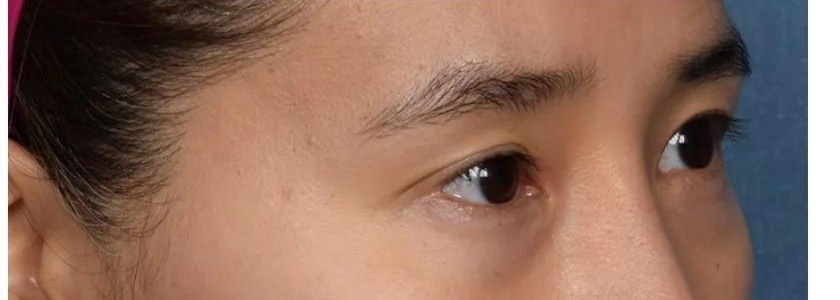
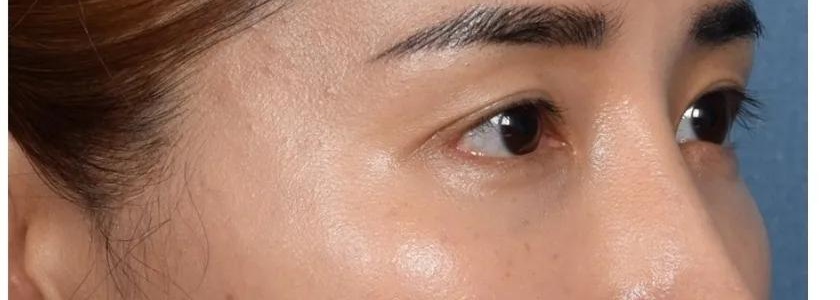
Some people notice that the outer part of their lower eyelid looks fuller, puffier or more droopy than the inner part. The inner corner may look relatively smooth, while the area toward the temple seems heavier, especially in the morning or in photos taken from an angle. This uneven pattern is common, and it usually reflects the way the lower eyelid is built rather than a random irregularity. Knowing why the outer half behaves differently helps you understand what a surgeon will look at and why the plan for the outer lid is often different from the plan for the inner lid.
This article explains the anatomy behind outer lid heaviness, the most common causes and how surgeons tailor treatment to this pattern.
The Lower Eyelid Has Separate Fat Compartments
The fat behind the lower eyelid is not one single layer.
- It is divided into three compartments: medial (inner), central and lateral (outer).
- Each can bulge independently, and each has a slightly different texture and position.
- The outer compartment sits behind the lateral part of the lid and often extends toward the outer corner of the eye.
- When it pushes forward, the outer third of the lid looks fuller, while the inner part may stay flatter.
Because the compartments do not always change at the same rate, a person can have a prominent outer bulge with only a mild inner one, or the reverse. Treatment that addresses all compartments equally can leave the eye looking unbalanced, so surgeons assess each one separately.
Common Causes of a Heavier Outer Lower Lid
Several causes, alone or together, can make the outer lid look heavier:
- Lateral fat prolapse: the outer fat compartment pushes forward, creating fullness just inside the outer corner, more obvious when looking up
- Outer canthal laxity: a stretched lateral canthal tendon lets the outer lid sag slightly down and forward
- Skin and muscle laxity: repeated smiling and squinting can leave hooding or crepe-like folds extending toward the crow's feet
- Malar swelling or festoons: fluid-related swelling over the upper cheek, most visible below the outer eye
- Brow and upper eyelid influence: a lowered outer brow or heavy upper lid adds shadow and visual weight to the corner
How Surgeons Evaluate the Outer Lid
The evaluation usually includes:
- Watching the lid at rest and in different gaze positions
- Pressing gently on the upper lid to see which compartments bulge
- Checking canthal tone with a snap-back or distraction test
- Looking at the outer corner angle, lid margin position and hooded skin near the crow's feet
- Front, side and three-quarter photos to show how light falls over the outer lid and cheek
- Assessing brow position and the upper lid, which may be part of the cause
How Treatment Is Tailored to the Outer Lid
Treatment is matched to whichever cause dominates:
- Outer fat bulge: selective reduction or repositioning; lateral fat is often reduced, while inner and central fat is commonly moved into the groove
- Canthal laxity: a canthopexy to support the corner and restore a crisper shape
- Excess skin and muscle: a small, carefully limited skin–muscle excision or pinch
- Festoon or malar swelling: cheek-focused care such as lifestyle changes, dissolving old filler, skin tightening or a midface procedure
- Brow descent: a brow lift or upper eyelid procedure may help more than further lower lid surgery
Why Balance Matters
Over-treating the outer lid can make the eye look hollow at the corner or alter the natural tilt of the eye.
- Under-treating it can leave the eye looking tired even after the inner bags are gone.
- The goal is a smooth, even contour across the whole lower lid that matches the overall shape of the eye and the face.
- Small adjustments can make a large difference in how rested the eye looks.
Recovery Considerations
Swelling often settles more slowly at the outer corner because lymphatic drainage in this area is limited. If a canthopexy is performed, the outer corner may look tight or slightly elevated for several weeks before relaxing into its final position. Most patients can judge the overall balance between the inner and outer lid by about three months.
Frequently Asked Questions
Is it normal for only the outer part of my lower lid to look puffy?
Yes. The three fat compartments change at different rates, so uneven fullness is common.
Does canthopexy change the eye shape?
A conservative canthopexy is meant to restore support rather than change shape, though temporary tightness is common.
Can filler fix outer lid heaviness?
Filler is usually not helpful for outer lid fullness and can worsen swelling in this area.
Planning a Consultation in Seoul
Bring front and three-quarter photos in natural light, and point out exactly where the heaviness bothers you most. Ask the surgeon which compartments they see bulging, whether your outer canthal support is adequate and whether your brow or upper lid contributes to the effect.


Transconjunctival vs Skin-Incision Lower Blepharoplasty When You Have Both Fat Bulges and Loose Skin