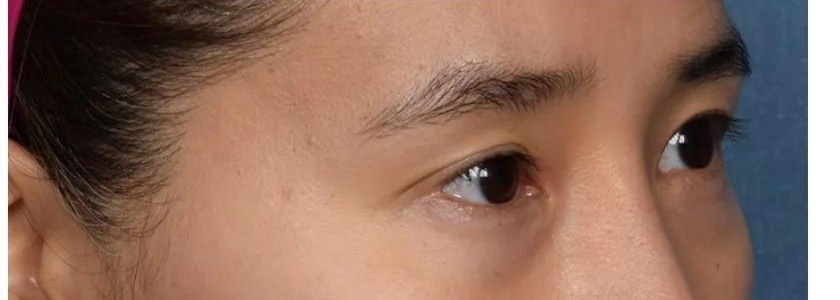
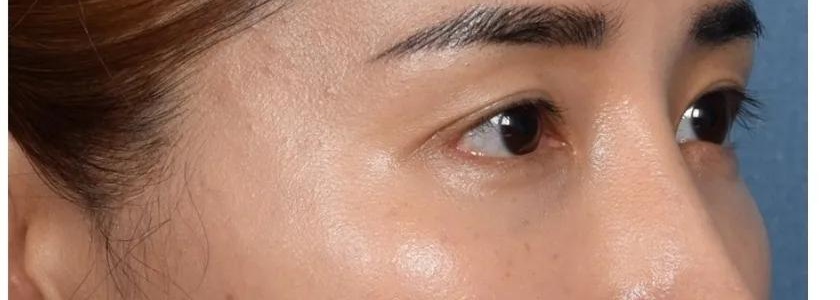
Why Does Under-Eye Darkness Remain After a Shadow Has Improved?

After eye bag surgery or fat repositioning, many people are pleased that the shadow under their eyes has softened, yet they still see a darker tone in the same area. They may wonder whether the procedure worked, or whether something else is going on. In most cases, the answer is that "dark circles" are not a single problem. Shadows caused by contour and darkness caused by skin color or blood vessels are separate issues, and surgery mainly addresses the first.
Understanding the different types of under-eye darkness helps set realistic expectations and points toward the treatments that can actually help with what remains.
Shadow Versus True Discoloration
A shadow is created by shape.
- When an eye bag bulges and a groove sits beneath it, overhead light creates a dark band below the bulge. This kind of darkness changes with lighting and head position, and it improves when the contour is smoothed.
- Discoloration, on the other hand, is a property of the skin itself. It may be brown from extra pigment, blue or purple from visible blood vessels, or a mixture. It stays roughly the same no matter how the light falls, because it is not created by shape.
A simple test is to look in a mirror while tilting your face upward toward a light source. If most of the darkness disappears, shadow was a major part of it. If the color remains, pigment or vessels are responsible.
Why Darkness Can Remain After Surgery
Surgery mainly treats shadow, so other causes of darkness often remain:
- Pigmentation: brownish darkness, common in medium to darker skin tones, often inherited or worsened by sun and rubbing; surgery does not remove pigment
- Thin skin and visible vessels: veins and muscle show through as a bluish or purplish tint, sometimes more noticeable once the bulge is gone
- Post-procedure changes: bruising and inflammation can leave temporary discoloration, and in pigment-prone skin may trigger post-inflammatory hyperpigmentation
- A shadow that is not fully corrected: a small residual groove, especially toward the outer cheek, can be mistaken for discoloration
Identifying Which Type You Have
A few simple checks help separate the causes:
- Gently stretch the skin: if darkness fades, shadow or vascular tint is more likely; if it stays, pigment is likely involved
- Press gently and release: vascular color may blanch briefly and then return
- Tilt your face up toward a light: darkness that largely disappears was mainly shadow
- Ask a surgeon or dermatologist to look under different lighting or magnification, since most people have more than one component
Treatment Options for Remaining Darkness
For pigmentation
Daily sun protection is the foundation, because ultraviolet light continually stimulates pigment.
- Topical products containing ingredients such as vitamin C, niacinamide, azelaic acid or retinoids can gradually lighten pigment, though they should be used carefully because the skin here is sensitive.
- Gentle chemical peels and certain lasers designed for pigment can help, but in darker skin types they must be chosen and performed conservatively to avoid making pigmentation worse.
For thin skin and vessels
Treatments that build collagen, such as some energy-based devices and carefully selected skin boosters, may slightly thicken the skin and reduce the visibility of vessels. Results tend to be gradual and moderate. In some cases, small fat grafts placed under the skin can add a protective layer that softens bluish tones.
For remaining contour shadow
If a residual groove is contributing, small amounts of fat grafting or carefully placed filler may soften it once healing is complete. This should usually wait until at least three to six months after surgery.
The Importance of Timing
It is best not to judge under-eye color too early after surgery.
- Bruising, swelling and early inflammation can all change the tone of the skin for six to twelve weeks.
- Starting aggressive treatments for pigment during this window can irritate the healing skin and increase the risk of post-inflammatory hyperpigmentation.
- Many surgeons recommend gentle skincare and strict sun protection first, then reassessing at around three months.
Realistic Expectations for Under-Eye Color
It helps to think of under-eye darkness as something that can be reduced rather than erased.
- Pigment and vascular tint are partly determined by genetics and skin type, so a certain amount of color is natural for many people, especially in medium and darker skin tones.
- Combining contour correction with consistent skincare and, where appropriate, targeted skin treatments usually gives the best overall improvement.
- Comparing photos taken in the same light every few months is the fairest way to judge progress, because day-to-day changes in sleep, hydration and lighting can make the area look very different from one morning to the next.
Everyday Habits That Make a Difference
Small habits can significantly influence under-eye darkness:
- Avoid rubbing your eyes
- Treat allergies and nasal congestion
- Keep a regular sleep routine
- Use sunglasses as well as sunscreen
- Use a peach or orange-toned concealer to neutralize blue or purple tones, or a slightly lighter shade for brown pigment
Frequently Asked Questions
Can eye bag surgery remove dark circles completely?
Surgery can remove the shadow component, but pigment and vascular tint usually need separate treatment.
Why do my under-eyes look darker after surgery?
Early bruising, inflammation or thinner-looking skin can temporarily increase darkness. Most of this improves over the following months.
Is laser safe under the eyes for Asian skin?
It can be, but settings must be conservative and the practitioner experienced with darker skin types to reduce the risk of rebound pigmentation.
Planning a Consultation in Seoul
When you discuss under-eye concerns, ask the surgeon to separate shadow from color in your own photos and explain which part surgery is expected to improve. If darkness is a major concern for you, ask how skin treatments could be combined with or follow the surgical plan, and when they would be safe to start.



Transconjunctival vs Skin-Incision Lower Blepharoplasty When You Have Both Fat Bulges and Loose Skin